

Is Your Home Still Dusty Weeks After Construction Ends?
Are you wiping down your kitchen counters for the fourth time this week, only to find a fresh layer of fine white powder settling right back over them hours later? The reality of cleaning up after a major home renovation is that standard surface wiping simply does not work against airborne construction particulates. When you are dealing with micron-level drywall dust, the problem isn't just what you see on the tables and floors—it is the invisible cloud still suspended in the air. While a standard deep clean is fantastic for normal household dirt, a post-construction environment requires a completely different, highly systematic methodology focused on capturing airborne particles before they can settle again.
To understand the difference, exploring deep cleaning benefits is a great starting point, but specialized post construction cleaning services in Castle Rock are necessary to permanently break the cycle of reappearing dust.
The Invisible Threat: Understanding Micron-Level Drywall Dust
The frustration of post-renovation cleanup almost always comes down to a misunderstanding of what drywall dust actually is. When contractors sand joint compound, they create particles that measure between 1 and 10 microns in size. To put that into perspective, a single grain of table salt is about 100 microns across, and a human hair is roughly 70 microns thick. This micron-level drywall dust is virtually invisible to the naked eye while suspended in the air. Because these particles are so incredibly light, normal air currents from walking down a hallway or opening a door are enough to keep them floating for days, or even weeks.
Normal household dust is composed of heavier materials like fabric fibers, pet dander, and soil tracked in from outside. It falls to the ground relatively quickly. Construction residue, on the other hand, acts more like smoke. If it is not properly contained during the renovation process, layers of dirt, tape residue, and microscopic dust can coat an entire house from top to bottom. One winter move-in project revealed a newly finished house completely coated in these layers of construction residue. An entire team of professional cleaners had to arrive on time and execute a meticulous, multi-stage cleanup. Upon the homeowner's return, the house was finally spotless from top to bottom, proving that standard sweeping simply isn't enough for this level of contamination.
Why Does Drywall Dust Keep Coming Back?
The short answer is that the dust isn't actually "coming back"—it never left. It is continuously falling out of the air onto your horizontal surfaces. Every time you wipe down a counter with a dry cloth, you are likely pushing a significant portion of that dust right back into the breathing zone. As you walk across carpets or hard floors, the air currents generated by your movement re-suspend the settled dust back into the air. It floats around for a few hours, and then slowly settles back onto the exact surfaces you just cleaned.
Signs your home is suffering from particulate fallout:
- The white film: A chalky residue that reappears on dark furniture within 24 hours of dusting.
- Footprints on hard floors: Bare feet or socks leave distinct tracks in a microscopic layer of dust on hardwood or tile.
- Textured surfaces feeling gritty: Baseboards, door frames, and window sills feel rough to the touch even after a basic wipedown.
- Increased static: Dust seems to aggressively stick to vertical surfaces like walls and television screens.
How Low Humidity and Static Electricity Compound the Problem
If you live in the Front Range, you already know that the climate plays a massive role in how your home operates. Castle Rock's dry Colorado climate creates the absolute perfect environment for static cling, making drywall dust removal significantly harder than it would be in a more humid region. There is a direct scientific relationship between low relative humidity and increased static electricity in a home. When the air is dry, static charges build up rapidly on surfaces. Because micron-level drywall dust is so light, it is easily influenced by these static charges.
This static bond causes fine particulate matter to cling aggressively to vertical surfaces. You will often find thick layers of white dust bonded to the faces of walls, the sides of kitchen cabinets, and the vertical drops of baseboards. Standard feather dusting is entirely ineffective against statically charged dust. A dry duster merely agitates the particles, breaking them loose for a fraction of a second before the static charge snaps them right back onto the surface, or worse, launches them back into the air to float around the room.
Successfully managing Castle Rock dust on baseboards requires breaking that static bond. This is achieved through targeted damp-wiping techniques using specialized microfiber cloths that trap the particulate rather than just pushing it around.
| Dust Type | Primary Characteristics | Cling Mechanism | Effective Removal Method |
|---|---|---|---|
| Normal Household Dust | Heavy, composed of fibers and dander (30-100 microns) | Gravity (settles on flat surfaces) | Standard vacuuming, dry microfiber dusting |
| Construction/Drywall Dust | Microscopic, ultra-light (1-10 microns) | Static electricity (clings to walls and vertical faces) | Damp microfiber wiping, HEPA air scrubbing |
The Danger of Redistributing Dust with Standard Vacuums
One of the most common mistakes homeowners make after a renovation is reaching for their standard upright vacuum cleaner. The problem: Standard residential vacuum filters are designed to capture larger household debris—pet hair, crumbs, and normal soil. They are generally rated to capture particles down to about 30 or 50 microns. The cause: When you vacuum a floor covered in micron-level drywall dust, the 1-to-10 micron particles are sucked into the machine, pass straight through the paper bag or standard pleated filter, and are violently blown out the exhaust port at the back of the vacuum. The solution: Only true HEPA (High-Efficiency Particulate Air) filtration systems can safely trap these microscopic particles without redistributing them.
Using a regular vacuum on construction dust doesn't just fail to clean your house; it actively makes the air quality worse by forcefully launching settled particulates back into the breathing zone. Furthermore, it poses a severe risk to your equipment. When fine dust bypasses the filter, it enters the mechanical components of the vacuum. The abrasive drywall dust coats the motor armature, clogs the cooling vents, and works its way into the bearings. This often results in the vacuum motor overheating and suffering catastrophic mechanical failure within a matter of weeks.
To break the cycle of redistribution and protect your household appliances, specialized equipment is non-negotiable. Attempting to tackle a post-renovation cleanup without sealed HEPA vacuums is a guaranteed recipe for endless dusting.
The Multi-Stage HEPA Capture Methodology
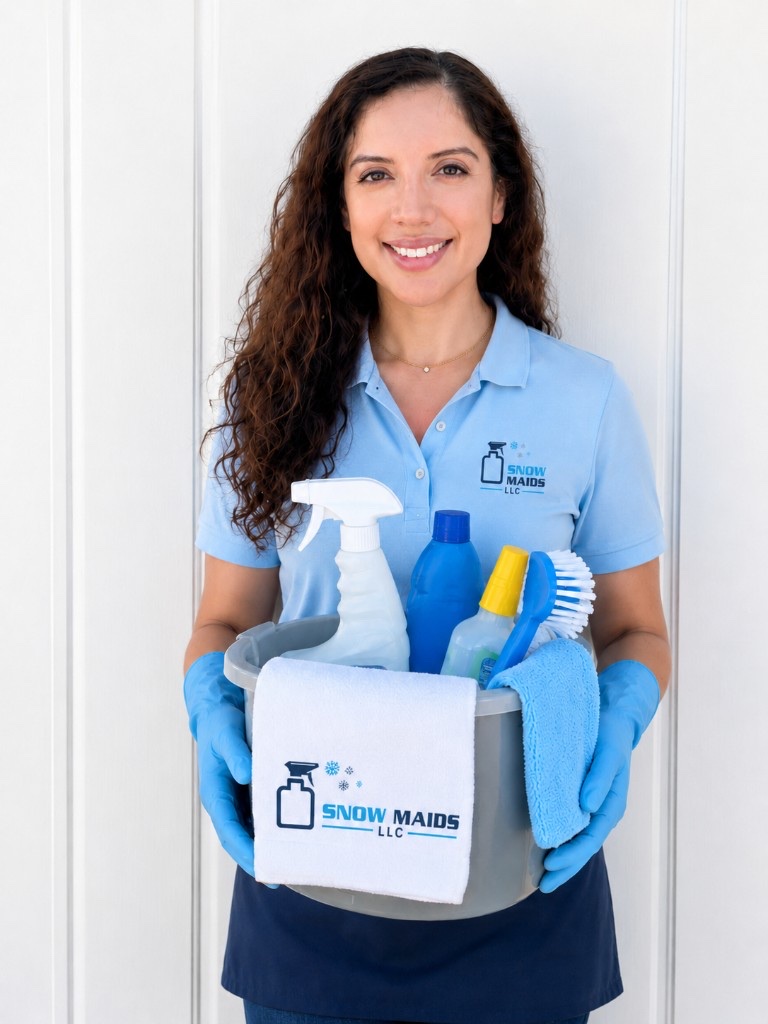
To permanently remove micron-level drywall dust from a home, you cannot rely on a single pass. It requires a concrete, multi-stage plan designed to systematically capture particulates. Snow Maids' trained technicians utilize proper HEPA filtration and systematic microfiber wiping to capture fine construction dust rather than just pushing it around. Understanding this rigorous process also helps clarify why post-construction cleaning rates differ from standard maid services—you are budgeting for an intensive, specialized particulate capture process.
During one recent spring deep clean following a major construction project, the homeowner needed easy scheduling and a team that could handle heavy dust fallout. The cleaning crew executed a methodical, phased deep clean that showcased serious effort and attention to detail, leaving the house looking amazing and entirely free of lingering dust. Here is how that phased methodology works:
- Phase 1: Dry dusting and heavy particulate removal. Before any moisture is introduced, large debris and heavy dust accumulations are carefully removed. Applying water to thick drywall dust creates a stubborn, smeary mud that ruins paint and works its way into wood grain.
- Phase 2: True HEPA vacuuming. Every surface—from the ceiling corners down to the floorboards—is vacuumed using sealed HEPA equipment. This traps the microscopic particles safely inside the machine without exhausting them back into the room.
- Phase 3: Systematic microfiber damp wiping. Once the loose dust is vacuumed, technicians use lightly dampened microfiber cloths to wipe down hard surfaces, walls, and baseboards. The slight moisture breaks the static bond holding the dust to vertical surfaces, while the microscopic fibers of the cloth grab and hold the particulate.
- Phase 4: Final air settling and secondary capture. After the initial phases, the air is allowed to settle. Any remaining suspended dust that falls out of the air is captured in a final, meticulous wipe-down of horizontal surfaces, ensuring the environment is pristine.


The Urgency of Airborne Dust Removal Before Fall HVAC Usage
Timing is everything when it comes to post-construction cleanup, particularly as the September pre-heating season approaches. During the summer, you might have your windows open, allowing some of the airborne dust to vent outside. But as the weather cools and homes are sealed up for the fall, that dust becomes trapped indoors. The most critical deadline for a phased capture cleanup is the day you intend to turn on your furnace for the first time.
Here is what happens when a heating system is turned on for the first time after a renovation: the powerful blower motor creates a massive negative pressure pull at your cold air returns. Any settled drywall dust sitting on floors, baseboards, or floating in the air is instantly drawn into the return vents. From there, it bypasses standard fiberglass furnace filters, coats your blower motor and heat exchanger, and is forcefully distributed throughout the entire ductwork system. Within minutes, the dust from a localized kitchen remodel can be blown into every bedroom in the house.
It is crucial to complete a phased capture cleanup before temperatures drop and windows are closed for the season. Before hiring a team to handle this critical task, take the time to evaluate cleaning service quality to ensure the professionals you bring into your home actually understand the risks of HVAC particulate distribution and have the specialized equipment required to prevent it.
Frequently Asked Questions About Post-Renovation Dust Management
How long does dust settle after construction?
Without professional intervention, fine construction dust can continue to settle for several weeks to months. Because the particles are so light, normal air currents from your HVAC system and daily foot traffic keep them suspended in the air. They only fall to horizontal surfaces when the air in the home is completely still, creating an endless loop of settling and re-suspension.
How do you get rid of fine construction dust permanently?
Permanently removing fine construction dust requires a combination of HEPA air scrubbing, HEPA vacuuming, and damp microfiber wiping. You must first vacuum all surfaces with a sealed HEPA machine to capture the bulk of the particulate. Then, you must use slightly damp microfiber cloths to physically break the static bonds holding the remaining dust to walls and baseboards.
Why is my house still dusty weeks after renovation?
Your house remains dusty because standard cleaning methods push dust around rather than capturing it. Dry wiping launches particles back into the air, and regular household vacuums blow micron-level dust right through their exhaust ports. Until a specialized, multi-stage capture process is performed, the dust will simply continue to circulate and settle in an endless loop.
Will drywall dust ruin a regular vacuum?
Yes, drywall dust is highly likely to ruin a standard residential vacuum cleaner. The ultra-fine particles easily bypass standard paper bags and pleated filters, entering the motor housing directly. Once inside, the abrasive dust coats the moving parts, restricts airflow, and causes the motor to overheat and suffer mechanical failure.
Does opening windows help clear drywall dust in Colorado?
While ventilation certainly helps introduce fresh air, wind can also aggressively agitate settled dust, blowing it deeper into carpets and behind furniture. In dry climates, the wind does not eliminate the static cling holding dust to your walls. The particulate must be physically captured and removed by HEPA filters and microfiber cloths, not just blown around.
How does static electricity affect post-construction dust removal?
Static electricity, which is especially prevalent in dry climates like Castle Rock, bonds fine dust to vertical surfaces like walls, doors, and cabinets. Because of this static cling, dry dusting is completely ineffective; the dust will just stick right back to the wall. Wet wiping with microfiber is required to break the electrical bond and trap the particles.
Schedule Your Multi-Stage Post-Construction Cleanup Today
Living in a newly renovated space should be a joy, not a daily chore of wiping down chalky surfaces. Reaching the finish line of a major project means moving past the construction phase and ensuring your indoor air quality is restored. The reality of cleaning up after a major home renovation is that it demands a scientific, systematic approach to particulate capture over basic surface cleaning.
With the September pre-heating season just around the corner, now is the time to act before your furnace distributes settled dust throughout your entire home. Protect your HVAC system, eliminate the endless dusting cycle, and consult with local experts to evaluate your post-renovation cleanup needs today. A clear, scientific, multi-stage plan is the only way to permanently remove the dust and truly enjoy your beautiful new space.