

Why Deep Cleaning Benefits and When Your Home Needs One Actually Matter
Understanding deep cleaning benefits and when your home needs one can make a real difference in how healthy, comfortable, and manageable your home feels day to day. Here is a quick overview before we dig into the details:
Deep cleaning benefits at a glance:
- Removes hidden allergens like dust mites, pet dander, and mold spores
- Improves indoor air quality in spaces where we spend roughly 90% of our time
- Reduces bacteria and viruses on high-touch surfaces
- Extends the life of appliances, carpets, and surfaces
- Lowers stress, sharpens focus, and improves sleep quality
When your home needs a deep clean:
- Every 3 to 6 months for most households
- More often if you have pets, kids, or allergy sufferers
- After moving in or out, hosting guests, illness, or home renovations
- When you notice persistent odors, visible dust buildup, or worsening allergy symptoms
- At seasonal transitions like spring and fall
Most of us stay on top of the basics — wiping counters, vacuuming, taking out the trash. But regular tidying only touches the surface. Meanwhile, grime quietly builds up behind appliances, inside vents, along baseboards, and deep in carpet fibers — places a weekly clean never reaches.
The result? Air that feels a little stale, surfaces that look dull no matter how often you wipe them, and an underlying sense that the house just never feels truly fresh. That is exactly the problem a deep clean is designed to solve.
This guide walks you through everything you need to know — from what a professional deep clean actually covers, to the clearest signs your home is overdue for one, to how often you should schedule it and whether to do it yourself or call in help.

What Deep Cleaning Really Means for Homeowners
Deep cleaning is a more detailed, more complete clean than routine maintenance. It is not just about making a room look nice for an hour. It is about removing buildup, sanitizing overlooked areas, and restoring parts of the home that slowly collect grime over time.
If regular cleaning is upkeep, deep cleaning is the reset.
For homeowners in Castle Rock and across the Denver Metro Area, that reset matters. Dust, tracked-in debris, pet hair, hard water spots, kitchen grease, and bathroom buildup do not stay politely on visible surfaces. They settle into corners, vents, grout lines, upholstery, and the spaces behind things we would rather not move on a Tuesday night.
For a closer look at service scope, see our deep cleaning service and our guide to regular cleaning vs deep cleaning.
What counts as a deep clean vs a regular clean?
A regular clean usually covers the basics:
- Dusting easy-to-reach surfaces
- Vacuuming floors and rugs
- Mopping
- Wiping counters
- Tidying bathrooms and kitchens
- Taking care of visible mess
A deep clean goes further and targets what regular cleaning often misses:
- Baseboards and trim
- Grout and tile buildup
- Inside appliances like microwaves and ovens
- Behind and beneath furniture when accessible
- Vent covers and dusty edges
- Window tracks and frames
- Cabinet fronts and sticky handles
- High-touch points like doorknobs, light switches, and faucets
Here is the simplest way to think about it:
| Regular Cleaning | Deep Cleaning |
|---|---|
| Maintains appearance | Removes built-up grime |
| Focuses on visible surfaces | Reaches hidden and neglected areas |
| Done weekly or bi-weekly | Done every 3 to 6 months for most homes |
| Light dusting and wiping | Scrubbing, detailing, and sanitizing |
| Keeps clutter under control | Resets the home to a cleaner baseline |
Why deep cleaning benefits and when your home needs one go hand in hand
The biggest reason people search for deep cleaning benefits and when your home needs one is that the two are connected. You usually notice the need for a deep clean when the benefits have started to go missing.
Maybe the home looks mostly clean, but:
- It still smells a little off
- Kitchen surfaces feel sticky too fast
- Dust returns almost immediately
- Allergy symptoms flare up indoors
- Bathrooms never seem fully fresh
- The whole house feels harder to manage
That is often a sign routine cleaning is no longer enough. Deep cleaning restores the baseline so weekly upkeep starts working again instead of fighting months of buildup.
Seasonal transitions make this even more obvious. Spring and fall are popular deep-clean times because they naturally line up with changing routines, weather, and indoor air conditions.
What a professional deep clean usually includes
A professional deep clean is designed to cover the areas that collect grime quietly and consistently. While exact checklists vary by home, most deep cleans include detailed attention to:
- Kitchens: appliance exteriors, cabinet fronts, backsplash, sinks, edges, and grease-prone areas
- Bathrooms: tubs, showers, grout, fixtures, sinks, and moisture-prone corners
- Living areas: baseboards, blinds, ceiling fans, vents, and floors
- Bedrooms: dusting, under-bed vacuuming when accessible, and surface detailing
- Shared surfaces: hand-contact points, doors, switches, and handles
You can learn more in what happens during a professional deep house clean.
The Biggest Deep Cleaning Benefits for Health, Home, and Daily Life
Deep cleaning is not just cosmetic. It affects air quality, maintenance, comfort, and even how your brain feels in the space.
Health benefits: cleaner air, fewer allergens, and less germ buildup
We spend about 90% of our time indoors, which means indoor contaminants matter more than many people realize. Dust mites, pet dander, pollen, mold spores, and bacteria can settle into soft surfaces and hard-to-reach places long before they become obvious.
A deep clean helps by:
- Removing dust from vents, blinds, baseboards, and fans
- Reducing allergens in carpets, upholstery, and corners
- Sanitizing high-touch surfaces
- Addressing moisture-prone areas where mold can develop
- Improving overall indoor air freshness
This can be especially important for homes with asthma or allergy concerns. Cleaner surfaces and lower dust load can reduce triggers and help the home feel easier to breathe in. For more on that connection, visit How a Clean Home Improves Your Health and Wellbeing, The Impact of Professional Cleaning on Asthma Management, and Comparing Air Quality After DIY vs Professional Cleaning.
Practical benefits: longer-lasting surfaces, fewer repairs, better efficiency
Grime is not just ugly. It is hard on your home.
Deep cleaning can help preserve:
- Carpets by removing abrasive dirt trapped in fibers
- Grout by preventing heavy staining and mildew buildup
- Appliances by clearing grease and dust around them
- Cabinet finishes by removing residue before it dulls surfaces
- Fixtures by reducing mineral and soap buildup
It can also reveal issues earlier. Once buildup is removed, it is easier to spot small leaks under sinks, mold around caulking, cracked grout, or wear around appliances before they become bigger headaches.
Another overlooked benefit is efficiency. Dust around vents, range hoods, and HVAC return covers can affect airflow and add to the dirty-home feeling. Keeping these areas cleaner supports a fresher environment and can help your home systems run more smoothly.
Decluttering during a deep clean has a practical payoff too. When cabinets, closets, and storage zones are reset, you are less likely to buy duplicates because something disappeared into the household void. We have all owned three tape rolls at once for no good reason.
Emotional benefits: lower stress, better sleep, and sharper focus
This is the part many people underestimate.
Visual clutter creates mental friction. Research highlighted in the material above notes that clutter can increase cognitive overload and reduce working memory. In plain English: when your environment feels chaotic, your brain has to work harder.
A deep clean supports emotional well-being by:
- Reducing visual distraction
- Creating a stronger sense of control
- Making relaxation easier
- Improving focus for work-from-home tasks
- Helping bedrooms feel calmer and more sleep-friendly
Sleep is part of this too. One stat often cited is that people who make their beds every morning are 19% more likely to get a good night's rest. That does not mean a tucked comforter is magic, but it does show how cleaning habits can support better routines and a calmer bedtime environment.
For more on this side of home care, explore How a Clean Home Improves Sleep Quality and our Clean Home Mental Health Focus Guide.
Sometimes the signs are obvious. Sometimes your house just feels "off" and you cannot quite explain why. Both count.
Obvious signs your home is overdue for a deep clean
Look for these common clues:
- Dust collecting on vents, baseboards, or ceiling fans
- Greasy cabinet fronts in the kitchen
- Soap scum that keeps coming back
- Grout that looks darker than it should
- Floors that seem dingy even after mopping
- Cloudy windows or dirty tracks
- Crumbs under couches or beds
- Buildup around faucets, sinks, and handles
If you are noticing several of these at once, the home is likely ready for more than a standard clean.
Hidden signs homeowners often miss
Some signals are less dramatic but just as telling:
- A musty or stale smell that lingers
- Sticky light switches, handles, or cabinet pulls
- Dull counters or fixtures that never feel fully clean
- Poor airflow from dusty vents
- Increased pet hair in corners and upholstery
- Debris collecting under appliances
- Allergy symptoms that feel worse at home
- Feeling mentally drained by the state of the space
That last one matters. If your home feels "clean enough" but still stressful, it may need a deeper reset.
Life events and seasons that make deep cleaning especially necessary
Certain times almost always justify a deep clean:
- Spring cleaning after winter buildup
- Fall reset before holiday hosting and more indoor time
- After parties or overnight guests
- Move-in and move-out transitions
- After renovations or home projects
- After illness in the household
- Post-holiday cleanup when clutter and crumbs have multiplied
These are moments when dirt spreads into places routine maintenance will not fully address.
How Often Should You Deep Clean Your Home?
For most households, deep cleaning every 3 to 6 months is a smart baseline. That usually means two to four times a year depending on how your home is used.
A smart baseline for most households
A realistic schedule looks like this:
- Every 6 months for lower-traffic homes with consistent upkeep
- Every 3 to 4 months for busier homes
- Weekly or bi-weekly regular cleaning in between deep cleans
- Seasonal resets in spring and fall for many households
This approach works because deep cleaning is not meant to replace weekly care. It supports it. The better your maintenance routine, the easier each deep clean becomes.
When to deep clean more often
You may want more frequent deep cleaning if your home has:
- Pets that shed or track in dirt
- Toddlers or young kids
- Frequent visitors or hosting
- Allergy or asthma sufferers
- Remote workers at home most of the day
- High-use kitchens and bathrooms
- More indoor dust during dry, windy periods in the Denver Metro Area
Pet owners especially benefit from a tighter schedule because fur, dander, and outdoor debris build up fast in soft surfaces and corners. Our Pet Owners Guide to Deep House Cleaning goes deeper into that.
Room-by-room priority zones to deep clean first
If you cannot do everything at once, start where buildup affects health and comfort most.
Kitchen
- Cabinet fronts
- Backsplash
- Appliance exteriors and accessible edges
- Sink and faucet details
- Range hood area
Bathroom
- Shower walls and doors
- Grout and tile
- Behind and around the toilet
- Sink fixtures
- Vent covers
Bedrooms
- Under-bed dust
- Baseboards
- Nightstands and lamps
- Mattress area and surrounding floors
Living room
- Upholstery vacuuming
- Under cushions
- Blinds
- Vents
- Under furniture when accessible
Entryway
- Floors and corners
- Trim
- Doors and handles
- Built-up debris from shoes and bags
DIY or Hire a Professional? How to Choose the Best Approach
There is no one-size-fits-all answer here. Some deep cleans are perfectly manageable as a DIY project. Others are better handled with help.
When DIY makes sense
DIY can work well when:
- You live in a smaller home or apartment
- Buildup is light to moderate
- You are focusing on one room at a time
- You have the time and energy to be thorough
- You can declutter first and work top to bottom
If you go the DIY route, a smart method is:
- Declutter first
- Dust high surfaces before low ones
- Let cleaners sit on grime before scrubbing
- Move room by room
- Finish with floors last
When professional help is the better choice
Professional deep cleaning is often the better option when:
- Your home is large
- You are behind on cleaning
- There is heavy grease, grime, or buildup
- You are cleaning after construction or renovation
- You need a thorough reset before guests or moving
- Someone in the household has allergies or asthma
- Time, mobility, or energy is limited
Professionals also bring experience, systems, and specialized tools that help them reach details people often miss when they are tired halfway through cleaning a bathroom that somehow took all afternoon.
For more guidance, see Professional House Maids vs DIY Cleaning and Benefits of Hiring a Professional Cleaning Service.
How to prepare your home for a deep cleaning service
You do not need to pre-clean before a deep cleaning service, but a little prep helps us focus on actual cleaning instead of obstacle courses.
Before cleaners arrive:
- Pick up clutter from floors and surfaces
- Put away important documents and valuables
- Secure pets if needed
- Clear counters where possible
- Make sure key rooms are accessible
- Note your priority areas
- Mention any problem spots such as soap scum, pet odor, or post-party mess
- Share any surface concerns or product sensitivities
A decluttered home allows more time for the detailed work that makes a deep clean feel worth it.
Frequently Asked Questions About deep cleaning benefits and when your home needs one
Is deep cleaning still necessary if my home looks clean?
Yes. A home can look clean and still have buildup in places you do not see every day, such as inside appliances, under furniture, along trim, in vents, and in soft surfaces. Deep cleaning targets the invisible layer of dust, residue, and allergens that routine care often skips.
Can deep cleaning help with allergies, asthma, and pet odors?
It often can. Deep cleaning removes common triggers like pet dander, dust, dust mites, and lingering odor sources trapped in fabrics, corners, and overlooked surfaces. It is especially helpful when symptoms seem worse indoors or when the home smells less fresh than it looks.
Does deep cleaning replace regular weekly cleaning?
No. The best results come from using both. Regular cleaning handles upkeep. Deep cleaning handles restoration. Think of weekly cleaning as maintenance and deep cleaning as the reset that keeps maintenance effective.
Conclusion
A deep clean is more than a cosmetic upgrade. It is a healthier-home reset that can improve air quality, reduce allergens, ease stress, protect surfaces, and make everyday upkeep much easier.
If your home in Castle Rock or the Denver Metro Area feels dusty, stale, overwhelming, or simply overdue for a true reset, it may be time to stop fighting surface mess and tackle the hidden buildup underneath it all.
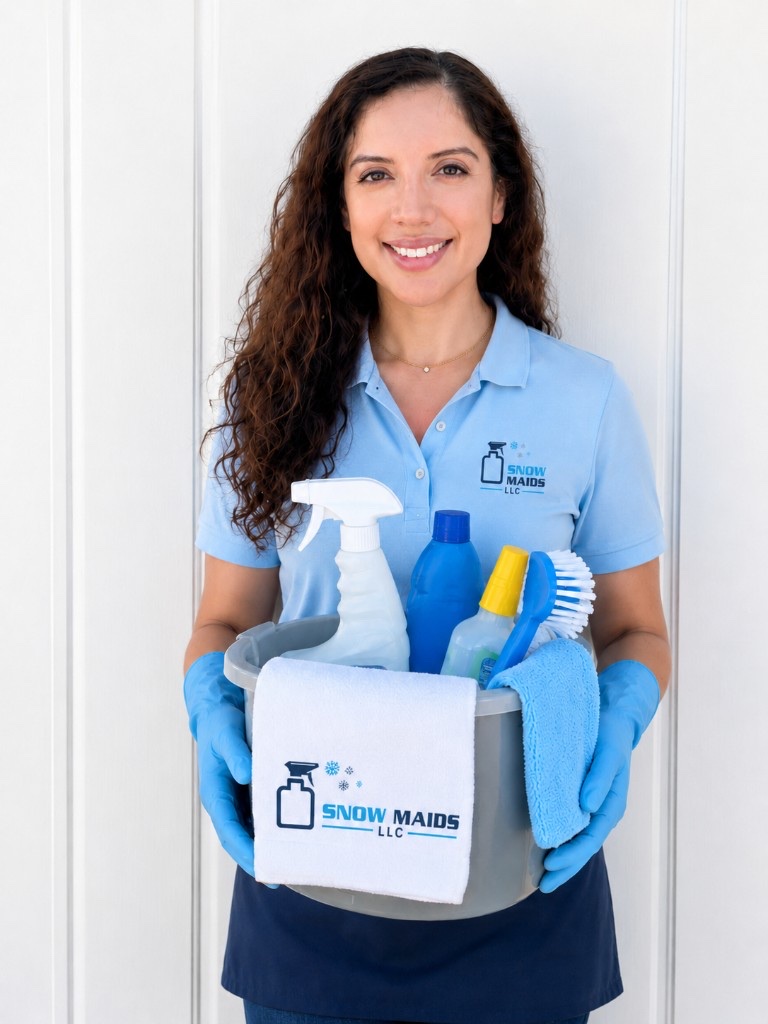
At Snow Maids, LLC, we provide tailored cleaning services designed to give you back your time and leave your space genuinely fresh. If you are ready for that whole-home reset, learn more about our Deep Cleaning service.
Why Deep Cleaning Benefits and When Your Home Needs One Actually Matter
Understanding deep cleaning benefits and when your home needs one can make a real difference in how healthy, comfortable, and manageable your home feels day to day. Here is a quick overview before we dig into the details:
Deep cleaning benefits at a glance:
- Removes hidden allergens like dust mites, pet dander, and mold spores
- Improves indoor air quality in spaces where we spend roughly 90% of our time
- Reduces bacteria and viruses on high-touch surfaces
- Extends the life of appliances, carpets, and surfaces
- Lowers stress, sharpens focus, and improves sleep quality
When your home needs a deep clean:
- Every 3 to 6 months for most households
- More often if you have pets, kids, or allergy sufferers
- After moving in or out, hosting guests, illness, or home renovations
- When you notice persistent odors, visible dust buildup, or worsening allergy symptoms
- At seasonal transitions like spring and fall
Most of us stay on top of the basics — wiping counters, vacuuming, taking out the trash. But regular tidying only touches the surface. Meanwhile, grime quietly builds up behind appliances, inside vents, along baseboards, and deep in carpet fibers — places a weekly clean never reaches.
The result? Air that feels a little stale, surfaces that look dull no matter how often you wipe them, and an underlying sense that the house just never feels truly fresh. That is exactly the problem a deep clean is designed to solve.
This guide walks you through everything you need to know — from what a professional deep clean actually covers, to the clearest signs your home is overdue for one, to how often you should schedule it and whether to do it yourself or call in help.

What Deep Cleaning Really Means for Homeowners
Deep cleaning is a more detailed, more complete clean than routine maintenance. It is not just about making a room look nice for an hour. It is about removing buildup, sanitizing overlooked areas, and restoring parts of the home that slowly collect grime over time.
If regular cleaning is upkeep, deep cleaning is the reset.
For homeowners in Castle Rock and across the Denver Metro Area, that reset matters. Dust, tracked-in debris, pet hair, hard water spots, kitchen grease, and bathroom buildup do not stay politely on visible surfaces. They settle into corners, vents, grout lines, upholstery, and the spaces behind things we would rather not move on a Tuesday night.
For a closer look at service scope, see our deep cleaning service and our guide to regular cleaning vs deep cleaning.
What counts as a deep clean vs a regular clean?
A regular clean usually covers the basics:
- Dusting easy-to-reach surfaces
- Vacuuming floors and rugs
- Mopping
- Wiping counters
- Tidying bathrooms and kitchens
- Taking care of visible mess
A deep clean goes further and targets what regular cleaning often misses:
- Baseboards and trim
- Grout and tile buildup
- Inside appliances like microwaves and ovens
- Behind and beneath furniture when accessible
- Vent covers and dusty edges
- Window tracks and frames
- Cabinet fronts and sticky handles
- High-touch points like doorknobs, light switches, and faucets
Here is the simplest way to think about it:
| Regular Cleaning | Deep Cleaning |
|---|---|
| Maintains appearance | Removes built-up grime |
| Focuses on visible surfaces | Reaches hidden and neglected areas |
| Done weekly or bi-weekly | Done every 3 to 6 months for most homes |
| Light dusting and wiping | Scrubbing, detailing, and sanitizing |
| Keeps clutter under control | Resets the home to a cleaner baseline |
Why deep cleaning benefits and when your home needs one go hand in hand
The biggest reason people search for deep cleaning benefits and when your home needs one is that the two are connected. You usually notice the need for a deep clean when the benefits have started to go missing.
Maybe the home looks mostly clean, but:
- It still smells a little off
- Kitchen surfaces feel sticky too fast
- Dust returns almost immediately
- Allergy symptoms flare up indoors
- Bathrooms never seem fully fresh
- The whole house feels harder to manage
That is often a sign routine cleaning is no longer enough. Deep cleaning restores the baseline so weekly upkeep starts working again instead of fighting months of buildup.
Seasonal transitions make this even more obvious. Spring and fall are popular deep-clean times because they naturally line up with changing routines, weather, and indoor air conditions.
What a professional deep clean usually includes
A professional deep clean is designed to cover the areas that collect grime quietly and consistently. While exact checklists vary by home, most deep cleans include detailed attention to:
- Kitchens: appliance exteriors, cabinet fronts, backsplash, sinks, edges, and grease-prone areas
- Bathrooms: tubs, showers, grout, fixtures, sinks, and moisture-prone corners
- Living areas: baseboards, blinds, ceiling fans, vents, and floors
- Bedrooms: dusting, under-bed vacuuming when accessible, and surface detailing
- Shared surfaces: hand-contact points, doors, switches, and handles
You can learn more in what happens during a professional deep house clean.
The Biggest Deep Cleaning Benefits for Health, Home, and Daily Life
Deep cleaning is not just cosmetic. It affects air quality, maintenance, comfort, and even how your brain feels in the space.
Health benefits: cleaner air, fewer allergens, and less germ buildup
We spend about 90% of our time indoors, which means indoor contaminants matter more than many people realize. Dust mites, pet dander, pollen, mold spores, and bacteria can settle into soft surfaces and hard-to-reach places long before they become obvious.
A deep clean helps by:
- Removing dust from vents, blinds, baseboards, and fans
- Reducing allergens in carpets, upholstery, and corners
- Sanitizing high-touch surfaces
- Addressing moisture-prone areas where mold can develop
- Improving overall indoor air freshness
This can be especially important for homes with asthma or allergy concerns. Cleaner surfaces and lower dust load can reduce triggers and help the home feel easier to breathe in. For more on that connection, visit How a Clean Home Improves Your Health and Wellbeing, The Impact of Professional Cleaning on Asthma Management, and Comparing Air Quality After DIY vs Professional Cleaning.
Practical benefits: longer-lasting surfaces, fewer repairs, better efficiency
Grime is not just ugly. It is hard on your home.
Deep cleaning can help preserve:
- Carpets by removing abrasive dirt trapped in fibers
- Grout by preventing heavy staining and mildew buildup
- Appliances by clearing grease and dust around them
- Cabinet finishes by removing residue before it dulls surfaces
- Fixtures by reducing mineral and soap buildup
It can also reveal issues earlier. Once buildup is removed, it is easier to spot small leaks under sinks, mold around caulking, cracked grout, or wear around appliances before they become bigger headaches.
Another overlooked benefit is efficiency. Dust around vents, range hoods, and HVAC return covers can affect airflow and add to the dirty-home feeling. Keeping these areas cleaner supports a fresher environment and can help your home systems run more smoothly.
Decluttering during a deep clean has a practical payoff too. When cabinets, closets, and storage zones are reset, you are less likely to buy duplicates because something disappeared into the household void. We have all owned three tape rolls at once for no good reason.
Emotional benefits: lower stress, better sleep, and sharper focus
This is the part many people underestimate.
Visual clutter creates mental friction. Research highlighted in the material above notes that clutter can increase cognitive overload and reduce working memory. In plain English: when your environment feels chaotic, your brain has to work harder.
A deep clean supports emotional well-being by:
- Reducing visual distraction
- Creating a stronger sense of control
- Making relaxation easier
- Improving focus for work-from-home tasks
- Helping bedrooms feel calmer and more sleep-friendly
Sleep is part of this too. One stat often cited is that people who make their beds every morning are 19% more likely to get a good night's rest. That does not mean a tucked comforter is magic, but it does show how cleaning habits can support better routines and a calmer bedtime environment.
For more on this side of home care, explore How a Clean Home Improves Sleep Quality and our Clean Home Mental Health Focus Guide.
Signs Your Home Needs One: deep cleaning benefits and when your home needs one
Sometimes the signs are obvious. Sometimes your house just feels "off" and you cannot quite explain why. Both count.
Obvious signs your home is overdue for a deep clean
Look for these common clues:
- Dust collecting on vents, baseboards, or ceiling fans
- Greasy cabinet fronts in the kitchen
- Soap scum that keeps coming back
- Grout that looks darker than it should
- Floors that seem dingy even after mopping
- Cloudy windows or dirty tracks
- Crumbs under couches or beds
- Buildup around faucets, sinks, and handles
If you are noticing several of these at once, the home is likely ready for more than a standard clean.
Hidden signs homeowners often miss
Some signals are less dramatic but just as telling:
- A musty or stale smell that lingers
- Sticky light switches, handles, or cabinet pulls
- Dull counters or fixtures that never feel fully clean
- Poor airflow from dusty vents
- Increased pet hair in corners and upholstery
- Debris collecting under appliances
- Allergy symptoms that feel worse at home
- Feeling mentally drained by the state of the space
That last one matters. If your home feels "clean enough" but still stressful, it may need a deeper reset.
Life events and seasons that make deep cleaning especially necessary
Certain times almost always justify a deep clean:
- Spring cleaning after winter buildup
- Fall reset before holiday hosting and more indoor time
- After parties or overnight guests
- Move-in and move-out transitions
- After renovations or home projects
- After illness in the household
- Post-holiday cleanup when clutter and crumbs have multiplied
These are moments when dirt spreads into places routine maintenance will not fully address.
How Often Should You Deep Clean Your Home?
For most households, deep cleaning every 3 to 6 months is a smart baseline. That usually means two to four times a year depending on how your home is used.
A smart baseline for most households
A realistic schedule looks like this:
- Every 6 months for lower-traffic homes with consistent upkeep
- Every 3 to 4 months for busier homes
- Weekly or bi-weekly regular cleaning in between deep cleans
- Seasonal resets in spring and fall for many households
This approach works because deep cleaning is not meant to replace weekly care. It supports it. The better your maintenance routine, the easier each deep clean becomes.
When to deep clean more often
You may want more frequent deep cleaning if your home has:
- Pets that shed or track in dirt
- Toddlers or young kids
- Frequent visitors or hosting
- Allergy or asthma sufferers
- Remote workers at home most of the day
- High-use kitchens and bathrooms
- More indoor dust during dry, windy periods in the Denver Metro Area
Pet owners especially benefit from a tighter schedule because fur, dander, and outdoor debris build up fast in soft surfaces and corners. Our Pet Owners Guide to Deep House Cleaning goes deeper into that.
Room-by-room priority zones to deep clean first
If you cannot do everything at once, start where buildup affects health and comfort most.
Kitchen
- Cabinet fronts
- Backsplash
- Appliance exteriors and accessible edges
- Sink and faucet details
- Range hood area
Bathroom
- Shower walls and doors
- Grout and tile
- Behind and around the toilet
- Sink fixtures
- Vent covers
Bedrooms
- Under-bed dust
- Baseboards
- Nightstands and lamps
- Mattress area and surrounding floors
Living room
- Upholstery vacuuming
- Under cushions
- Blinds
- Vents
- Under furniture when accessible
Entryway
- Floors and corners
- Trim
- Doors and handles
- Built-up debris from shoes and bags
DIY or Hire a Professional? How to Choose the Best Approach
There is no one-size-fits-all answer here. Some deep cleans are perfectly manageable as a DIY project. Others are better handled with help.
When DIY makes sense
DIY can work well when:
- You live in a smaller home or apartment
- Buildup is light to moderate
- You are focusing on one room at a time
- You have the time and energy to be thorough
- You can declutter first and work top to bottom
If you go the DIY route, a smart method is:
- Declutter first
- Dust high surfaces before low ones
- Let cleaners sit on grime before scrubbing
- Move room by room
- Finish with floors last
When professional help is the better choice
Professional deep cleaning is often the better option when:
- Your home is large
- You are behind on cleaning
- There is heavy grease, grime, or buildup
- You are cleaning after construction or renovation
- You need a thorough reset before guests or moving
- Someone in the household has allergies or asthma
- Time, mobility, or energy is limited
Professionals also bring experience, systems, and specialized tools that help them reach details people often miss when they are tired halfway through cleaning a bathroom that somehow took all afternoon.
For more guidance, see Professional House Maids vs DIY Cleaning and Benefits of Hiring a Professional Cleaning Service.
How to prepare your home for a deep cleaning service
You do not need to pre-clean before a deep cleaning service, but a little prep helps us focus on actual cleaning instead of obstacle courses.
Before cleaners arrive:
- Pick up clutter from floors and surfaces
- Put away important documents and valuables
- Secure pets if needed
- Clear counters where possible
- Make sure key rooms are accessible
- Note your priority areas
- Mention any problem spots such as soap scum, pet odor, or post-party mess
- Share any surface concerns or product sensitivities
A decluttered home allows more time for the detailed work that makes a deep clean feel worth it.
Frequently Asked Questions About deep cleaning benefits and when your home needs one
Is deep cleaning still necessary if my home looks clean?
Yes. A home can look clean and still have buildup in places you do not see every day, such as inside appliances, under furniture, along trim, in vents, and in soft surfaces. Deep cleaning targets the invisible layer of dust, residue, and allergens that routine care often skips.
Can deep cleaning help with allergies, asthma, and pet odors?
It often can. Deep cleaning removes common triggers like pet dander, dust, dust mites, and lingering odor sources trapped in fabrics, corners, and overlooked surfaces. It is especially helpful when symptoms seem worse indoors or when the home smells less fresh than it looks.
Does deep cleaning replace regular weekly cleaning?
No. The best results come from using both. Regular cleaning handles upkeep. Deep cleaning handles restoration. Think of weekly cleaning as maintenance and deep cleaning as the reset that keeps maintenance effective.
Conclusion
A deep clean is more than a cosmetic upgrade. It is a healthier-home reset that can improve air quality, reduce allergens, ease stress, protect surfaces, and make everyday upkeep much easier.
If your home in Castle Rock or the Denver Metro Area feels dusty, stale, overwhelming, or simply overdue for a true reset, it may be time to stop fighting surface mess and tackle the hidden buildup underneath it all.
At Snow Maids, LLC, we provide tailored cleaning services designed to give you back your time and leave your space genuinely fresh. If you are ready for that whole-home reset, learn more about our Deep Cleaning service.
Why Deep Cleaning Benefits and When Your Home Needs One Actually Matter
Understanding deep cleaning benefits and when your home needs one can make a real difference in how healthy, comfortable, and manageable your home feels day to day. Here is a quick overview before we dig into the details:
Deep cleaning benefits at a glance:
- Removes hidden allergens like dust mites, pet dander, and mold spores
- Improves indoor air quality in spaces where we spend roughly 90% of our time
- Reduces bacteria and viruses on high-touch surfaces
- Extends the life of appliances, carpets, and surfaces
- Lowers stress, sharpens focus, and improves sleep quality
When your home needs a deep clean:
- Every 3 to 6 months for most households
- More often if you have pets, kids, or allergy sufferers
- After moving in or out, hosting guests, illness, or home renovations
- When you notice persistent odors, visible dust buildup, or worsening allergy symptoms
- At seasonal transitions like spring and fall
Most of us stay on top of the basics — wiping counters, vacuuming, taking out the trash. But regular tidying only touches the surface. Meanwhile, grime quietly builds up behind appliances, inside vents, along baseboards, and deep in carpet fibers — places a weekly clean never reaches.
The result? Air that feels a little stale, surfaces that look dull no matter how often you wipe them, and an underlying sense that the house just never feels truly fresh. That is exactly the problem a deep clean is designed to solve.
This guide walks you through everything you need to know — from what a professional deep clean actually covers, to the clearest signs your home is overdue for one, to how often you should schedule it and whether to do it yourself or call in help.

What Deep Cleaning Really Means for Homeowners
Deep cleaning is a more detailed, more complete clean than routine maintenance. It is not just about making a room look nice for an hour. It is about removing buildup, sanitizing overlooked areas, and restoring parts of the home that slowly collect grime over time.
If regular cleaning is upkeep, deep cleaning is the reset.
For homeowners in Castle Rock and across the Denver Metro Area, that reset matters. Dust, tracked-in debris, pet hair, hard water spots, kitchen grease, and bathroom buildup do not stay politely on visible surfaces. They settle into corners, vents, grout lines, upholstery, and the spaces behind things we would rather not move on a Tuesday night.
For a closer look at service scope, see our deep cleaning service and our guide to regular cleaning vs deep cleaning.
What counts as a deep clean vs a regular clean?
A regular clean usually covers the basics:
- Dusting easy-to-reach surfaces
- Vacuuming floors and rugs
- Mopping
- Wiping counters
- Tidying bathrooms and kitchens
- Taking care of visible mess
A deep clean goes further and targets what regular cleaning often misses:
- Baseboards and trim
- Grout and tile buildup
- Inside appliances like microwaves and ovens
- Behind and beneath furniture when accessible
- Vent covers and dusty edges
- Window tracks and frames
- Cabinet fronts and sticky handles
- High-touch points like doorknobs, light switches, and faucets
Here is the simplest way to think about it:
| Regular Cleaning | Deep Cleaning |
|---|---|
| Maintains appearance | Removes built-up grime |
| Focuses on visible surfaces | Reaches hidden and neglected areas |
| Done weekly or bi-weekly | Done every 3 to 6 months for most homes |
| Light dusting and wiping | Scrubbing, detailing, and sanitizing |
| Keeps clutter under control | Resets the home to a cleaner baseline |
Why deep cleaning benefits and when your home needs one go hand in hand
The biggest reason people search for deep cleaning benefits and when your home needs one is that the two are connected. You usually notice the need for a deep clean when the benefits have started to go missing.
Maybe the home looks mostly clean, but:
- It still smells a little off
- Kitchen surfaces feel sticky too fast
- Dust returns almost immediately
- Allergy symptoms flare up indoors
- Bathrooms never seem fully fresh
- The whole house feels harder to manage
That is often a sign routine cleaning is no longer enough. Deep cleaning restores the baseline so weekly upkeep starts working again instead of fighting months of buildup.
Seasonal transitions make this even more obvious. Spring and fall are popular deep-clean times because they naturally line up with changing routines, weather, and indoor air conditions.
What a professional deep clean usually includes
A professional deep clean is designed to cover the areas that collect grime quietly and consistently. While exact checklists vary by home, most deep cleans include detailed attention to:
- Kitchens: appliance exteriors, cabinet fronts, backsplash, sinks, edges, and grease-prone areas
- Bathrooms: tubs, showers, grout, fixtures, sinks, and moisture-prone corners
- Living areas: baseboards, blinds, ceiling fans, vents, and floors
- Bedrooms: dusting, under-bed vacuuming when accessible, and surface detailing
- Shared surfaces: hand-contact points, doors, switches, and handles
You can learn more in what happens during a professional deep house clean.
The Biggest Deep Cleaning Benefits for Health, Home, and Daily Life
Deep cleaning is not just cosmetic. It affects air quality, maintenance, comfort, and even how your brain feels in the space.
Health benefits: cleaner air, fewer allergens, and less germ buildup
We spend about 90% of our time indoors, which means indoor contaminants matter more than many people realize. Dust mites, pet dander, pollen, mold spores, and bacteria can settle into soft surfaces and hard-to-reach places long before they become obvious.
A deep clean helps by:
- Removing dust from vents, blinds, baseboards, and fans
- Reducing allergens in carpets, upholstery, and corners
- Sanitizing high-touch surfaces
- Addressing moisture-prone areas where mold can develop
- Improving overall indoor air freshness
This can be especially important for homes with asthma or allergy concerns. Cleaner surfaces and lower dust load can reduce triggers and help the home feel easier to breathe in. For more on that connection, visit How a Clean Home Improves Your Health and Wellbeing, The Impact of Professional Cleaning on Asthma Management, and Comparing Air Quality After DIY vs Professional Cleaning.
Practical benefits: longer-lasting surfaces, fewer repairs, better efficiency
Grime is not just ugly. It is hard on your home.
Deep cleaning can help preserve:
- Carpets by removing abrasive dirt trapped in fibers
- Grout by preventing heavy staining and mildew buildup
- Appliances by clearing grease and dust around them
- Cabinet finishes by removing residue before it dulls surfaces
- Fixtures by reducing mineral and soap buildup
It can also reveal issues earlier. Once buildup is removed, it is easier to spot small leaks under sinks, mold around caulking, cracked grout, or wear around appliances before they become bigger headaches.
Another overlooked benefit is efficiency. Dust around vents, range hoods, and HVAC return covers can affect airflow and add to the dirty-home feeling. Keeping these areas cleaner supports a fresher environment and can help your home systems run more smoothly.
Decluttering during a deep clean has a practical payoff too. When cabinets, closets, and storage zones are reset, you are less likely to buy duplicates because something disappeared into the household void. We have all owned three tape rolls at once for no good reason.
Emotional benefits: lower stress, better sleep, and sharper focus
This is the part many people underestimate.
Visual clutter creates mental friction. Research highlighted in the material above notes that clutter can increase cognitive overload and reduce working memory. In plain English: when your environment feels chaotic, your brain has to work harder.
A deep clean supports emotional well-being by:
- Reducing visual distraction
- Creating a stronger sense of control
- Making relaxation easier
- Improving focus for work-from-home tasks
- Helping bedrooms feel calmer and more sleep-friendly
Sleep is part of this too. One stat often cited is that people who make their beds every morning are 19% more likely to get a good night's rest. That does not mean a tucked comforter is magic, but it does show how cleaning habits can support better routines and a calmer bedtime environment.
For more on this side of home care, explore How a Clean Home Improves Sleep Quality and our Clean Home Mental Health Focus Guide.
Signs Your Home Needs One: deep cleaning benefits and when your home needs one
Sometimes the signs are obvious. Sometimes your house just feels "off" and you cannot quite explain why. Both count.
Obvious signs your home is overdue for a deep clean
Look for these common clues:
- Dust collecting on vents, baseboards, or ceiling fans
- Greasy cabinet fronts in the kitchen
- Soap scum that keeps coming back
- Grout that looks darker than it should
- Floors that seem dingy even after mopping
- Cloudy windows or dirty tracks
- Crumbs under couches or beds
- Buildup around faucets, sinks, and handles
If you are noticing several of these at once, the home is likely ready for more than a standard clean.
Hidden signs homeowners often miss
Some signals are less dramatic but just as telling:
- A musty or stale smell that lingers
- Sticky light switches, handles, or cabinet pulls
- Dull counters or fixtures that never feel fully clean
- Poor airflow from dusty vents
- Increased pet hair in corners and upholstery
- Debris collecting under appliances
- Allergy symptoms that feel worse at home
- Feeling mentally drained by the state of the space
That last one matters. If your home feels "clean enough" but still stressful, it may need a deeper reset.
Life events and seasons that make deep cleaning especially necessary
Certain times almost always justify a deep clean:
- Spring cleaning after winter buildup
- Fall reset before holiday hosting and more indoor time
- After parties or overnight guests
- Move-in and move-out transitions
- After renovations or home projects
- After illness in the household
- Post-holiday cleanup when clutter and crumbs have multiplied
These are moments when dirt spreads into places routine maintenance will not fully address.
How Often Should You Deep Clean Your Home?
For most households, deep cleaning every 3 to 6 months is a smart baseline. That usually means two to four times a year depending on how your home is used.
A smart baseline for most households
A realistic schedule looks like this:
- Every 6 months for lower-traffic homes with consistent upkeep
- Every 3 to 4 months for busier homes
- Weekly or bi-weekly regular cleaning in between deep cleans
- Seasonal resets in spring and fall for many households
This approach works because deep cleaning is not meant to replace weekly care. It supports it. The better your maintenance routine, the easier each deep clean becomes.
When to deep clean more often
You may want more frequent deep cleaning if your home has:
- Pets that shed or track in dirt
- Toddlers or young kids
- Frequent visitors or hosting
- Allergy or asthma sufferers
- Remote workers at home most of the day
- High-use kitchens and bathrooms
- More indoor dust during dry, windy periods in the Denver Metro Area
Pet owners especially benefit from a tighter schedule because fur, dander, and outdoor debris build up fast in soft surfaces and corners. Our Pet Owners Guide to Deep House Cleaning goes deeper into that.
Room-by-room priority zones to deep clean first
If you cannot do everything at once, start where buildup affects health and comfort most.
Kitchen
- Cabinet fronts
- Backsplash
- Appliance exteriors and accessible edges
- Sink and faucet details
- Range hood area
Bathroom
- Shower walls and doors
- Grout and tile
- Behind and around the toilet
- Sink fixtures
- Vent covers
Bedrooms
- Under-bed dust
- Baseboards
- Nightstands and lamps
- Mattress area and surrounding floors
Living room
- Upholstery vacuuming
- Under cushions
- Blinds
- Vents
- Under furniture when accessible
Entryway
- Floors and corners
- Trim
- Doors and handles
- Built-up debris from shoes and bags
DIY or Hire a Professional? How to Choose the Best Approach
There is no one-size-fits-all answer here. Some deep cleans are perfectly manageable as a DIY project. Others are better handled with help.
When DIY makes sense
DIY can work well when:
- You live in a smaller home or apartment
- Buildup is light to moderate
- You are focusing on one room at a time
- You have the time and energy to be thorough
- You can declutter first and work top to bottom
If you go the DIY route, a smart method is:
- Declutter first
- Dust high surfaces before low ones
- Let cleaners sit on grime before scrubbing
- Move room by room
- Finish with floors last
When professional help is the better choice
Professional deep cleaning is often the better option when:
- Your home is large
- You are behind on cleaning
- There is heavy grease, grime, or buildup
- You are cleaning after construction or renovation
- You need a thorough reset before guests or moving
- Someone in the household has allergies or asthma
- Time, mobility, or energy is limited
Professionals also bring experience, systems, and specialized tools that help them reach details people often miss when they are tired halfway through cleaning a bathroom that somehow took all afternoon.
For more guidance, see Professional House Maids vs DIY Cleaning and Benefits of Hiring a Professional Cleaning Service.
How to prepare your home for a deep cleaning service
You do not need to pre-clean before a deep cleaning service, but a little prep helps us focus on actual cleaning instead of obstacle courses.
Before cleaners arrive:
- Pick up clutter from floors and surfaces
- Put away important documents and valuables
- Secure pets if needed
- Clear counters where possible
- Make sure key rooms are accessible
- Note your priority areas
- Mention any problem spots such as soap scum, pet odor, or post-party mess
- Share any surface concerns or product sensitivities
A decluttered home allows more time for the detailed work that makes a deep clean feel worth it.
Frequently Asked Questions About deep cleaning benefits and when your home needs one
Is deep cleaning still necessary if my home looks clean?
Yes. A home can look clean and still have buildup in places you do not see every day, such as inside appliances, under furniture, along trim, in vents, and in soft surfaces. Deep cleaning targets the invisible layer of dust, residue, and allergens that routine care often skips.
Can deep cleaning help with allergies, asthma, and pet odors?
It often can. Deep cleaning removes common triggers like pet dander, dust, dust mites, and lingering odor sources trapped in fabrics, corners, and overlooked surfaces. It is especially helpful when symptoms seem worse indoors or when the home smells less fresh than it looks.
Does deep cleaning replace regular weekly cleaning?
No. The best results come from using both. Regular cleaning handles upkeep. Deep cleaning handles restoration. Think of weekly cleaning as maintenance and deep cleaning as the reset that keeps maintenance effective.
Conclusion
A deep clean is more than a cosmetic upgrade. It is a healthier-home reset that can improve air quality, reduce allergens, ease stress, protect surfaces, and make everyday upkeep much easier.
If your home in Castle Rock or the Denver Metro Area feels dusty, stale, overwhelming, or simply overdue for a true reset, it may be time to stop fighting surface mess and tackle the hidden buildup underneath it all.
At Snow Maids, LLC, we provide tailored cleaning services designed to give you back your time and leave your space genuinely fresh. If you are ready for that whole-home reset, learn more about our Deep Cleaning service.
Why Deep Cleaning Benefits and When Your Home Needs One Actually Matter
Understanding deep cleaning benefits and when your home needs one can make a real difference in how healthy, comfortable, and manageable your home feels day to day. Here is a quick overview before we dig into the details:
Deep cleaning benefits at a glance:
- Removes hidden allergens like dust mites, pet dander, and mold spores
- Improves indoor air quality in spaces where we spend roughly 90% of our time
- Reduces bacteria and viruses on high-touch surfaces
- Extends the life of appliances, carpets, and surfaces
- Lowers stress, sharpens focus, and improves sleep quality
When your home needs a deep clean:
- Every 3 to 6 months for most households
- More often if you have pets, kids, or allergy sufferers
- After moving in or out, hosting guests, illness, or home renovations
- When you notice persistent odors, visible dust buildup, or worsening allergy symptoms
- At seasonal transitions like spring and fall
Most of us stay on top of the basics — wiping counters, vacuuming, taking out the trash. But regular tidying only touches the surface. Meanwhile, grime quietly builds up behind appliances, inside vents, along baseboards, and deep in carpet fibers — places a weekly clean never reaches.
The result? Air that feels a little stale, surfaces that look dull no matter how often you wipe them, and an underlying sense that the house just never feels truly fresh. That is exactly the problem a deep clean is designed to solve.
This guide walks you through everything you need to know — from what a professional deep clean actually covers, to the clearest signs your home is overdue for one, to how often you should schedule it and whether to do it yourself or call in help.

What Deep Cleaning Really Means for Homeowners
Deep cleaning is a more detailed, more complete clean than routine maintenance. It is not just about making a room look nice for an hour. It is about removing buildup, sanitizing overlooked areas, and restoring parts of the home that slowly collect grime over time.
If regular cleaning is upkeep, deep cleaning is the reset.
For homeowners in Castle Rock and across the Denver Metro Area, that reset matters. Dust, tracked-in debris, pet hair, hard water spots, kitchen grease, and bathroom buildup do not stay politely on visible surfaces. They settle into corners, vents, grout lines, upholstery, and the spaces behind things we would rather not move on a Tuesday night.
For a closer look at service scope, see our deep cleaning service and our guide to regular cleaning vs deep cleaning.
What counts as a deep clean vs a regular clean?
A regular clean usually covers the basics:
- Dusting easy-to-reach surfaces
- Vacuuming floors and rugs
- Mopping
- Wiping counters
- Tidying bathrooms and kitchens
- Taking care of visible mess
A deep clean goes further and targets what regular cleaning often misses:
- Baseboards and trim
- Grout and tile buildup
- Inside appliances like microwaves and ovens
- Behind and beneath furniture when accessible
- Vent covers and dusty edges
- Window tracks and frames
- Cabinet fronts and sticky handles
- High-touch points like doorknobs, light switches, and faucets
Here is the simplest way to think about it:
| Regular Cleaning | Deep Cleaning |
|---|---|
| Maintains appearance | Removes built-up grime |
| Focuses on visible surfaces | Reaches hidden and neglected areas |
| Done weekly or bi-weekly | Done every 3 to 6 months for most homes |
| Light dusting and wiping | Scrubbing, detailing, and sanitizing |
| Keeps clutter under control | Resets the home to a cleaner baseline |
Why deep cleaning benefits and when your home needs one go hand in hand
The biggest reason people search for deep cleaning benefits and when your home needs one is that the two are connected. You usually notice the need for a deep clean when the benefits have started to go missing.
Maybe the home looks mostly clean, but:
- It still smells a little off
- Kitchen surfaces feel sticky too fast
- Dust returns almost immediately
- Allergy symptoms flare up indoors
- Bathrooms never seem fully fresh
- The whole house feels harder to manage
That is often a sign routine cleaning is no longer enough. Deep cleaning restores the baseline so weekly upkeep starts working again instead of fighting months of buildup.
Seasonal transitions make this even more obvious. Spring and fall are popular deep-clean times because they naturally line up with changing routines, weather, and indoor air conditions.
What a professional deep clean usually includes
A professional deep clean is designed to cover the areas that collect grime quietly and consistently. While exact checklists vary by home, most deep cleans include detailed attention to:
- Kitchens: appliance exteriors, cabinet fronts, backsplash, sinks, edges, and grease-prone areas
- Bathrooms: tubs, showers, grout, fixtures, sinks, and moisture-prone corners
- Living areas: baseboards, blinds, ceiling fans, vents, and floors
- Bedrooms: dusting, under-bed vacuuming when accessible, and surface detailing
- Shared surfaces: hand-contact points, doors, switches, and handles
You can learn more in what happens during a professional deep house clean.
The Biggest Deep Cleaning Benefits for Health, Home, and Daily Life
Deep cleaning is not just cosmetic. It affects air quality, maintenance, comfort, and even how your brain feels in the space.
Health benefits: cleaner air, fewer allergens, and less germ buildup
We spend about 90% of our time indoors, which means indoor contaminants matter more than many people realize. Dust mites, pet dander, pollen, mold spores, and bacteria can settle into soft surfaces and hard-to-reach places long before they become obvious.
A deep clean helps by:
- Removing dust from vents, blinds, baseboards, and fans
- Reducing allergens in carpets, upholstery, and corners
- Sanitizing high-touch surfaces
- Addressing moisture-prone areas where mold can develop
- Improving overall indoor air freshness
This can be especially important for homes with asthma or allergy concerns. Cleaner surfaces and lower dust load can reduce triggers and help the home feel easier to breathe in. For more on that connection, visit How a Clean Home Improves Your Health and Wellbeing, The Impact of Professional Cleaning on Asthma Management, and Comparing Air Quality After DIY vs Professional Cleaning.
Practical benefits: longer-lasting surfaces, fewer repairs, better efficiency
Grime is not just ugly. It is hard on your home.
Deep cleaning can help preserve:
- Carpets by removing abrasive dirt trapped in fibers
- Grout by preventing heavy staining and mildew buildup
- Appliances by clearing grease and dust around them
- Cabinet finishes by removing residue before it dulls surfaces
- Fixtures by reducing mineral and soap buildup
It can also reveal issues earlier. Once buildup is removed, it is easier to spot small leaks under sinks, mold around caulking, cracked grout, or wear around appliances before they become bigger headaches.
Another overlooked benefit is efficiency. Dust around vents, range hoods, and HVAC return covers can affect airflow and add to the dirty-home feeling. Keeping these areas cleaner supports a fresher environment and can help your home systems run more smoothly.
Decluttering during a deep clean has a practical payoff too. When cabinets, closets, and storage zones are reset, you are less likely to buy duplicates because something disappeared into the household void. We have all owned three tape rolls at once for no good reason.
Emotional benefits: lower stress, better sleep, and sharper focus
This is the part many people underestimate.
Visual clutter creates mental friction. Research highlighted in the material above notes that clutter can increase cognitive overload and reduce working memory. In plain English: when your environment feels chaotic, your brain has to work harder.
A deep clean supports emotional well-being by:
- Reducing visual distraction
- Creating a stronger sense of control
- Making relaxation easier
- Improving focus for work-from-home tasks
- Helping bedrooms feel calmer and more sleep-friendly
Sleep is part of this too. One stat often cited is that people who make their beds every morning are 19% more likely to get a good night's rest. That does not mean a tucked comforter is magic, but it does show how cleaning habits can support better routines and a calmer bedtime environment.
For more on this side of home care, explore How a Clean Home Improves Sleep Quality and our Clean Home Mental Health Focus Guide.
Signs Your Home Needs One: deep cleaning benefits and when your home needs one
Sometimes the signs are obvious. Sometimes your house just feels "off" and you cannot quite explain why. Both count.
Obvious signs your home is overdue for a deep clean
Look for these common clues:
- Dust collecting on vents, baseboards, or ceiling fans
- Greasy cabinet fronts in the kitchen
- Soap scum that keeps coming back
- Grout that looks darker than it should
- Floors that seem dingy even after mopping
- Cloudy windows or dirty tracks
- Crumbs under couches or beds
- Buildup around faucets, sinks, and handles
If you are noticing several of these at once, the home is likely ready for more than a standard clean.
Hidden signs homeowners often miss
Some signals are less dramatic but just as telling:
- A musty or stale smell that lingers
- Sticky light switches, handles, or cabinet pulls
- Dull counters or fixtures that never feel fully clean
- Poor airflow from dusty vents
- Increased pet hair in corners and upholstery
- Debris collecting under appliances
- Allergy symptoms that feel worse at home
- Feeling mentally drained by the state of the space
That last one matters. If your home feels "clean enough" but still stressful, it may need a deeper reset.
Life events and seasons that make deep cleaning especially necessary
Certain times almost always justify a deep clean:
- Spring cleaning after winter buildup
- Fall reset before holiday hosting and more indoor time
- After parties or overnight guests
- Move-in and move-out transitions
- After renovations or home projects
- After illness in the household
- Post-holiday cleanup when clutter and crumbs have multiplied
These are moments when dirt spreads into places routine maintenance will not fully address.
How Often Should You Deep Clean Your Home?
For most households, deep cleaning every 3 to 6 months is a smart baseline. That usually means two to four times a year depending on how your home is used.
A smart baseline for most households
A realistic schedule looks like this:
- Every 6 months for lower-traffic homes with consistent upkeep
- Every 3 to 4 months for busier homes
- Weekly or bi-weekly regular cleaning in between deep cleans
- Seasonal resets in spring and fall for many households
This approach works because deep cleaning is not meant to replace weekly care. It supports it. The better your maintenance routine, the easier each deep clean becomes.
When to deep clean more often
You may want more frequent deep cleaning if your home has:
- Pets that shed or track in dirt
- Toddlers or young kids
- Frequent visitors or hosting
- Allergy or asthma sufferers
- Remote workers at home most of the day
- High-use kitchens and bathrooms
- More indoor dust during dry, windy periods in the Denver Metro Area
Pet owners especially benefit from a tighter schedule because fur, dander, and outdoor debris build up fast in soft surfaces and corners. Our Pet Owners Guide to Deep House Cleaning goes deeper into that.
Room-by-room priority zones to deep clean first
If you cannot do everything at once, start where buildup affects health and comfort most.
Kitchen
- Cabinet fronts
- Backsplash
- Appliance exteriors and accessible edges
- Sink and faucet details
- Range hood area
Bathroom
- Shower walls and doors
- Grout and tile
- Behind and around the toilet
- Sink fixtures
- Vent covers
Bedrooms
- Under-bed dust
- Baseboards
- Nightstands and lamps
- Mattress area and surrounding floors
Living room
- Upholstery vacuuming
- Under cushions
- Blinds
- Vents
- Under furniture when accessible
Entryway
- Floors and corners
- Trim
- Doors and handles
- Built-up debris from shoes and bags
DIY or Hire a Professional? How to Choose the Best Approach
There is no one-size-fits-all answer here. Some deep cleans are perfectly manageable as a DIY project. Others are better handled with help.
When DIY makes sense
DIY can work well when:
- You live in a smaller home or apartment
- Buildup is light to moderate
- You are focusing on one room at a time
- You have the time and energy to be thorough
- You can declutter first and work top to bottom
If you go the DIY route, a smart method is:
- Declutter first
- Dust high surfaces before low ones
- Let cleaners sit on grime before scrubbing
- Move room by room
- Finish with floors last
When professional help is the better choice
Professional deep cleaning is often the better option when:
- Your home is large
- You are behind on cleaning
- There is heavy grease, grime, or buildup
- You are cleaning after construction or renovation
- You need a thorough reset before guests or moving
- Someone in the household has allergies or asthma
- Time, mobility, or energy is limited
Professionals also bring experience, systems, and specialized tools that help them reach details people often miss when they are tired halfway through cleaning a bathroom that somehow took all afternoon.
For more guidance, see Professional House Maids vs DIY Cleaning and Benefits of Hiring a Professional Cleaning Service.
How to prepare your home for a deep cleaning service
You do not need to pre-clean before a deep cleaning service, but a little prep helps us focus on actual cleaning instead of obstacle courses.
Before cleaners arrive:
- Pick up clutter from floors and surfaces
- Put away important documents and valuables
- Secure pets if needed
- Clear counters where possible
- Make sure key rooms are accessible
- Note your priority areas
- Mention any problem spots such as soap scum, pet odor, or post-party mess
- Share any surface concerns or product sensitivities
A decluttered home allows more time for the detailed work that makes a deep clean feel worth it.
Frequently Asked Questions About deep cleaning benefits and when your home needs one
Is deep cleaning still necessary if my home looks clean?
Yes. A home can look clean and still have buildup in places you do not see every day, such as inside appliances, under furniture, along trim, in vents, and in soft surfaces. Deep cleaning targets the invisible layer of dust, residue, and allergens that routine care often skips.
Can deep cleaning help with allergies, asthma, and pet odors?
It often can. Deep cleaning removes common triggers like pet dander, dust, dust mites, and lingering odor sources trapped in fabrics, corners, and overlooked surfaces. It is especially helpful when symptoms seem worse indoors or when the home smells less fresh than it looks.
Does deep cleaning replace regular weekly cleaning?
No. The best results come from using both. Regular cleaning handles upkeep. Deep cleaning handles restoration. Think of weekly cleaning as maintenance and deep cleaning as the reset that keeps maintenance effective.
Conclusion
A deep clean is more than a cosmetic upgrade. It is a healthier-home reset that can improve air quality, reduce allergens, ease stress, protect surfaces, and make everyday upkeep much easier.
If your home in Castle Rock or the Denver Metro Area feels dusty, stale, overwhelming, or simply overdue for a true reset, it may be time to stop fighting surface mess and tackle the hidden buildup underneath it all.
At Snow Maids, LLC, we provide tailored cleaning services designed to give you back your time and leave your space genuinely fresh. If you are ready for that whole-home reset, learn more about our Deep Cleaning service.
Why Deep Cleaning Benefits and When Your Home Needs One Actually Matter
Understanding deep cleaning benefits and when your home needs one can make a real difference in how healthy, comfortable, and manageable your home feels day to day. Here is a quick overview before we dig into the details:
Deep cleaning benefits at a glance:
- Removes hidden allergens like dust mites, pet dander, and mold spores
- Improves indoor air quality in spaces where we spend roughly 90% of our time
- Reduces bacteria and viruses on high-touch surfaces
- Extends the life of appliances, carpets, and surfaces
- Lowers stress, sharpens focus, and improves sleep quality
When your home needs a deep clean:
- Every 3 to 6 months for most households
- More often if you have pets, kids, or allergy sufferers
- After moving in or out, hosting guests, illness, or home renovations
- When you notice persistent odors, visible dust buildup, or worsening allergy symptoms
- At seasonal transitions like spring and fall
Most of us stay on top of the basics — wiping counters, vacuuming, taking out the trash. But regular tidying only touches the surface. Meanwhile, grime quietly builds up behind appliances, inside vents, along baseboards, and deep in carpet fibers — places a weekly clean never reaches.
The result? Air that feels a little stale, surfaces that look dull no matter how often you wipe them, and an underlying sense that the house just never feels truly fresh. That is exactly the problem a deep clean is designed to solve.
This guide walks you through everything you need to know — from what a professional deep clean actually covers, to the clearest signs your home is overdue for one, to how often you should schedule it and whether to do it yourself or call in help.
What Deep Cleaning Really Means for Homeowners
Deep cleaning is a more detailed, more complete clean than routine maintenance. It is not just about making a room look nice for an hour. It is about removing buildup, sanitizing overlooked areas, and restoring parts of the home that slowly collect grime over time.
If regular cleaning is upkeep, deep cleaning is the reset.
For homeowners in Castle Rock and across the Denver Metro Area, that reset matters. Dust, tracked-in debris, pet hair, hard water spots, kitchen grease, and bathroom buildup do not stay politely on visible surfaces. They settle into corners, vents, grout lines, upholstery, and the spaces behind things we would rather not move on a Tuesday night.
For a closer look at service scope, see our deep cleaning service and our guide to regular cleaning vs deep cleaning.
What counts as a deep clean vs a regular clean?
A regular clean usually covers the basics:
- Dusting easy-to-reach surfaces
- Vacuuming floors and rugs
- Mopping
- Wiping counters
- Tidying bathrooms and kitchens
- Taking care of visible mess
A deep clean goes further and targets what regular cleaning often misses:
- Baseboards and trim
- Grout and tile buildup
- Inside appliances like microwaves and ovens
- Behind and beneath furniture when accessible
- Vent covers and dusty edges
- Window tracks and frames
- Cabinet fronts and sticky handles
- High-touch points like doorknobs, light switches, and faucets
Here is the simplest way to think about it:
| Regular Cleaning | Deep Cleaning |
|---|---|
| Maintains appearance | Removes built-up grime |
| Focuses on visible surfaces | Reaches hidden and neglected areas |
| Done weekly or bi-weekly | Done every 3 to 6 months for most homes |
| Light dusting and wiping | Scrubbing, detailing, and sanitizing |
| Keeps clutter under control | Resets the home to a cleaner baseline |
Why deep cleaning benefits and when your home needs one go hand in hand
The biggest reason people search for deep cleaning benefits and when your home needs one is that the two are connected. You usually notice the need for a deep clean when the benefits have started to go missing.
Maybe the home looks mostly clean, but:
- It still smells a little off
- Kitchen surfaces feel sticky too fast
- Dust returns almost immediately
- Allergy symptoms flare up indoors
- Bathrooms never seem fully fresh
- The whole house feels harder to manage
That is often a sign routine cleaning is no longer enough. Deep cleaning restores the baseline so weekly upkeep starts working again instead of fighting months of buildup.
Seasonal transitions make this even more obvious. Spring and fall are popular deep-clean times because they naturally line up with changing routines, weather, and indoor air conditions.
What a professional deep clean usually includes
A professional deep clean is designed to cover the areas that collect grime quietly and consistently. While exact checklists vary by home, most deep cleans include detailed attention to:
- Kitchens: appliance exteriors, cabinet fronts, backsplash, sinks, edges, and grease-prone areas
- Bathrooms: tubs, showers, grout, fixtures, sinks, and moisture-prone corners
- Living areas: baseboards, blinds, ceiling fans, vents, and floors
- Bedrooms: dusting, under-bed vacuuming when accessible, and surface detailing
- Shared surfaces: hand-contact points, doors, switches, and handles
You can learn more in what happens during a professional deep house clean.
The Biggest Deep Cleaning Benefits for Health, Home, and Daily Life
Deep cleaning is not just cosmetic. It affects air quality, maintenance, comfort, and even how your brain feels in the space.
Health benefits: cleaner air, fewer allergens, and less germ buildup
We spend about 90% of our time indoors, which means indoor contaminants matter more than many people realize. Dust mites, pet dander, pollen, mold spores, and bacteria can settle into soft surfaces and hard-to-reach places long before they become obvious.
A deep clean helps by:
- Removing dust from vents, blinds, baseboards, and fans
- Reducing allergens in carpets, upholstery, and corners
- Sanitizing high-touch surfaces
- Addressing moisture-prone areas where mold can develop
- Improving overall indoor air freshness
This can be especially important for homes with asthma or allergy concerns. Cleaner surfaces and lower dust load can reduce triggers and help the home feel easier to breathe in. For more on that connection, visit How a Clean Home Improves Your Health and Wellbeing, The Impact of Professional Cleaning on Asthma Management, and Comparing Air Quality After DIY vs Professional Cleaning.
Practical benefits: longer-lasting surfaces, fewer repairs, better efficiency
Grime is not just ugly. It is hard on your home.
Deep cleaning can help preserve:
- Carpets by removing abrasive dirt trapped in fibers
- Grout by preventing heavy staining and mildew buildup
- Appliances by clearing grease and dust around them
- Cabinet finishes by removing residue before it dulls surfaces
- Fixtures by reducing mineral and soap buildup
It can also reveal issues earlier. Once buildup is removed, it is easier to spot small leaks under sinks, mold around caulking, cracked grout, or wear around appliances before they become bigger headaches.
Another overlooked benefit is efficiency. Dust around vents, range hoods, and HVAC return covers can affect airflow and add to the dirty-home feeling. Keeping these areas cleaner supports a fresher environment and can help your home systems run more smoothly.
Decluttering during a deep clean has a practical payoff too. When cabinets, closets, and storage zones are reset, you are less likely to buy duplicates because something disappeared into the household void. We have all owned three tape rolls at once for no good reason.
Emotional benefits: lower stress, better sleep, and sharper focus
This is the part many people underestimate.
Visual clutter creates mental friction. Research highlighted in the material above notes that clutter can increase cognitive overload and reduce working memory. In plain English: when your environment feels chaotic, your brain has to work harder.
A deep clean supports emotional well-being by:
- Reducing visual distraction
- Creating a stronger sense of control
- Making relaxation easier
- Improving focus for work-from-home tasks
- Helping bedrooms feel calmer and more sleep-friendly
Sleep is part of this too. One stat often cited is that people who make their beds every morning are 19% more likely to get a good night's rest. That does not mean a tucked comforter is magic, but it does show how cleaning habits can support better routines and a calmer bedtime environment.
For more on this side of home care, explore How a Clean Home Improves Sleep Quality and our Clean Home Mental Health Focus Guide.
Signs Your Home Needs One: deep cleaning benefits and when your home needs one
Sometimes the signs are obvious. Sometimes your house just feels "off" and you cannot quite explain why. Both count.
Obvious signs your home is overdue for a deep clean
Look for these common clues:
- Dust collecting on vents, baseboards, or ceiling fans
- Greasy cabinet fronts in the kitchen
- Soap scum that keeps coming back
- Grout that looks darker than it should
- Floors that seem dingy even after mopping
- Cloudy windows or dirty tracks
- Crumbs under couches or beds
- Buildup around faucets, sinks, and handles
If you are noticing several of these at once, the home is likely ready for more than a standard clean.
Hidden signs homeowners often miss
Some signals are less dramatic but just as telling:
- A musty or stale smell that lingers
- Sticky light switches, handles, or cabinet pulls
- Dull counters or fixtures that never feel fully clean
- Poor airflow from dusty vents
- Increased pet hair in corners and upholstery
- Debris collecting under appliances
- Allergy symptoms that feel worse at home
- Feeling mentally drained by the state of the space
That last one matters. If your home feels "clean enough" but still stressful, it may need a deeper reset.
Life events and seasons that make deep cleaning especially necessary
Certain times almost always justify a deep clean:
- Spring cleaning after winter buildup
- Fall reset before holiday hosting and more indoor time
- After parties or overnight guests
- Move-in and move-out transitions
- After renovations or home projects
- After illness in the household
- Post-holiday cleanup when clutter and crumbs have multiplied
These are moments when dirt spreads into places routine maintenance will not fully address.
How Often Should You Deep Clean Your Home?
For most households, deep cleaning every 3 to 6 months is a smart baseline. That usually means two to four times a year depending on how your home is used.
A smart baseline for most households
A realistic schedule looks like this:
- Every 6 months for lower-traffic homes with consistent upkeep
- Every 3 to 4 months for busier homes
- Weekly or bi-weekly regular cleaning in between deep cleans
- Seasonal resets in spring and fall for many households
This approach works because deep cleaning is not meant to replace weekly care. It supports it. The better your maintenance routine, the easier each deep clean becomes.
When to deep clean more often
You may want more frequent deep cleaning if your home has:
- Pets that shed or track in dirt
- Toddlers or young kids
- Frequent visitors or hosting
- Allergy or asthma sufferers
- Remote workers at home most of the day
- High-use kitchens and bathrooms
- More indoor dust during dry, windy periods in the Denver Metro Area
Pet owners especially benefit from a tighter schedule because fur, dander, and outdoor debris build up fast in soft surfaces and corners. Our Pet Owners Guide to Deep House Cleaning goes deeper into that.
Room-by-room priority zones to deep clean first
If you cannot do everything at once, start where buildup affects health and comfort most.
Kitchen
- Cabinet fronts
- Backsplash
- Appliance exteriors and accessible edges
- Sink and faucet details
- Range hood area
Bathroom
- Shower walls and doors
- Grout and tile
- Behind and around the toilet
- Sink fixtures
- Vent covers
Bedrooms
- Under-bed dust
- Baseboards
- Nightstands and lamps
- Mattress area and surrounding floors
Living room
- Upholstery vacuuming
- Under cushions
- Blinds
- Vents
- Under furniture when accessible
Entryway
- Floors and corners
- Trim
- Doors and handles
- Built-up debris from shoes and bags
DIY or Hire a Professional? How to Choose the Best Approach
There is no one-size-fits-all answer here. Some deep cleans are perfectly manageable as a DIY project. Others are better handled with help.
When DIY makes sense
DIY can work well when:
- You live in a smaller home or apartment
- Buildup is light to moderate
- You are focusing on one room at a time
- You have the time and energy to be thorough
- You can declutter first and work top to bottom
If you go the DIY route, a smart method is:
- Declutter first
- Dust high surfaces before low ones
- Let cleaners sit on grime before scrubbing
- Move room by room
- Finish with floors last
When professional help is the better choice
Professional deep cleaning is often the better option when:
- Your home is large
- You are behind on cleaning
- There is heavy grease, grime, or buildup
- You are cleaning after construction or renovation
- You need a thorough reset before guests or moving
- Someone in the household has allergies or asthma
- Time, mobility, or energy is limited
Professionals also bring experience, systems, and specialized tools that help them reach details people often miss when they are tired halfway through cleaning a bathroom that somehow took all afternoon.
For more guidance, see Professional House Maids vs DIY Cleaning and Benefits of Hiring a Professional Cleaning Service.
How to prepare your home for a deep cleaning service
You do not need to pre-clean before a deep cleaning service, but a little prep helps us focus on actual cleaning instead of obstacle courses.
Before cleaners arrive:
- Pick up clutter from floors and surfaces
- Put away important documents and valuables
- Secure pets if needed
- Clear counters where possible
- Make sure key rooms are accessible
- Note your priority areas
- Mention any problem spots such as soap scum, pet odor, or post-party mess
- Share any surface concerns or product sensitivities
A decluttered home allows more time for the detailed work that makes a deep clean feel worth it.
Frequently Asked Questions About deep cleaning benefits and when your home needs one
Is deep cleaning still necessary if my home looks clean?
Yes. A home can look clean and still have buildup in places you do not see every day, such as inside appliances, under furniture, along trim, in vents, and in soft surfaces. Deep cleaning targets the invisible layer of dust, residue, and allergens that routine care often skips.
Can deep cleaning help with allergies, asthma, and pet odors?
It often can. Deep cleaning removes common triggers like pet dander, dust, dust mites, and lingering odor sources trapped in fabrics, corners, and overlooked surfaces. It is especially helpful when symptoms seem worse indoors or when the home smells less fresh than it looks.
Does deep cleaning replace regular weekly cleaning?
No. The best results come from using both. Regular cleaning handles upkeep. Deep cleaning handles restoration. Think of weekly cleaning as maintenance and deep cleaning as the reset that keeps maintenance effective.
Conclusion
A deep clean is more than a cosmetic upgrade. It is a healthier-home reset that can improve air quality, reduce allergens, ease stress, protect surfaces, and make everyday upkeep much easier.
If your home in Castle Rock or the Denver Metro Area feels dusty, stale, overwhelming, or simply overdue for a true reset, it may be time to stop fighting surface mess and tackle the hidden buildup underneath it all.
At Snow Maids, LLC, we provide tailored cleaning services designed to give you back your time and leave your space genuinely fresh. If you are ready for that whole-home reset, learn more about our Deep Cleaning service.
More from the Snow Maids Journal
- how-to-guides Who provides the best bi weekly house cleaning services in Elizabeth, CO? Read the article
- how-to-guides Who offers post construction cleaning services for a new home build in Castle Rock? Read the article
- how-to-guides Who are the top-rated maid services in Highlands Ranch? Read the article