

Preparing Your Home for the October Pre-Winter Transition
When you are looking for reliable home maintenance tips and troubleshooting, the October pre-winter transition in Colorado brings a rapid and demanding shift in weather that requires immediate attention. Before you know it, the dry fall air gives way to early snows, and suddenly your family is tracking wet mud, grit, and pine needles across the floor. To keep the cold out, you naturally seal up your windows and doors for the season. But while that keeps your living spaces warm, it also traps fine dust, pet dander, and outdoor allergens inside.
This creates a critical need for thorough pre-winter cleaning. Simply running a vacuum and wiping down the counters is no longer enough when your house is locked tight against the freezing temperatures. Verifying the quality of your seasonal deep clean is your best defense to ensure your indoor hygiene stays protected all winter long. If you want to start off on the right foot, exploring professional cleaning resources can help you tackle these seasonal transitions effectively and maintain a healthier environment.
Castle Rock's dry Colorado air combined with sudden early snows creates a unique, frustrating combination for homeowners. You are dealing with ultra-fine dust one day and slushy, wet mud the next. This constant influx of debris settles into carpets, hardens on tile grout, and coats your baseboards. Verifying that your home is genuinely clean—not just surface-level tidy—prevents these seasonal messes from permanently damaging your flooring or degrading the air your family breathes.
Why Trapped Dust and Debris Threaten Indoor Air Quality
The underlying problem: Indoor air quality drops significantly the moment homes are sealed against the cold. During the warmer months, open windows and doors allow fresh air to circulate, pushing stale air and airborne particles out. Once the heating season begins, that natural ventilation stops. Your home becomes a closed loop, continuously recirculating the same air through your heating system.
The root cause: When lingering fall dust and allergens are left behind during a pre-winter clean, they do not just sit harmlessly on your shelves. They become airborne every time someone walks through the room or the furnace kicks on. This fine particulate matter accumulates heavily on your HVAC return vents, which forces your heating system to work harder to pull in air. Over time, this buildup negatively impacts your HVAC efficiency and spreads respiratory irritants into every room of the house.
The practical solution: Verifying the complete removal of heavy dust buildup prevents these long-term respiratory irritants from taking hold. By checking the areas where dust naturally settles, you can intercept allergens before they enter your ductwork. One busy family in Castle Rock noticed their home needed serious deep cleaning attention amidst a hectic work schedule last winter. After scheduling an appointment, a punctual professional arrived and delivered astonishing attention to detail. Because the heavy dust was thoroughly removed, their house became spotless, and the indoor air felt noticeably fresh and airy throughout the peak heating season.
The Impact of Semi-Arid Climates on Dust Accumulation
Living at a higher elevation in a semi-arid climate means dealing with higher baseline dust levels. The dry air causes dust particles to remain suspended longer before finally settling on your surfaces. Furthermore, the rapid shift from a dusty autumn to a wet winter means that dry particulate matter quickly mixes with moisture from snow-covered boots, creating a stubborn, paste-like grime on your floors and lower walls. Addressing this specific climate challenge requires a targeted approach to dust removal.
Inspecting High-Dust Zones and Baseboards
To truly verify the quality of your fall cleaning, you need to look past the obvious surfaces like dining tables and kitchen islands. The real test of a thorough cleaning lies in the high-dust zones that are frequently missed. Checking these specific areas during the October pre-winter transition ensures your home is ready for the months ahead.
- Examine the ceiling fans: Before you switch your fan direction for winter heating, check the top edges of the blades. A thick layer of dust here will immediately blow across the room the moment you turn the fan on.
- Check the oven hoods and upper shelving: Kitchen grease aerosolizes when you cook and floats upward, mixing with airborne dust to create a sticky residue on upper cabinets and range hoods. Run a dry paper towel over the top edge to verify it has been properly degreased and dusted.
- Inspect the baseboards: Baseboards are magnets for ultra-fine dust, pet hair, and settling allergens. Use a clean microfiber cloth or a white glove and swipe a small section behind a door or piece of furniture to check for lingering particulate matter.
- Assess the bathroom exhaust fans: These small vents pull in massive amounts of moisture and dust. If the vent cover is caked in gray fuzz, the room has not been properly deep cleaned.
Knowing how to check these specific zones is the best way to evaluate cleaning service quality and reliability. It reveals the difference between a quick surface wipe-down and genuine, meticulous particulate removal.
| Cleaning Standard | Visual Result | Impact on Home Hygiene |
|---|---|---|
| Surface Dusting | Looks clean from a distance; centers of tables are clear. | Leaves ultra-fine particles behind to circulate in the air. |
| True Particulate Removal | Baseboards, blinds, and upper shelves pass a white-glove swipe test. | Dramatically reduces airborne allergens and protects HVAC efficiency. |
Verifying Window Treatments and Blinds
Window blinds in dry fall weather are highly susceptible to static dust cling. The dry air causes the plastic or wood slats to hold onto dust aggressively. When verifying cleaning quality, ensure that both sides of the blinds have been wiped down with a damp cloth or specialized tool, rather than just quickly dry-dusted. Dry dusting often just pushes the particles into the air, allowing them to resettle on the blinds hours later.
Troubleshooting Entryway Mud and Pine Needle Tracking
The first seasonal snowfalls in Castle Rock bring a rapid, frustrating increase in tracked mud and outdoor debris. When kids and pets rush inside from the cold, they bring the outside with them. Proper mud mitigation is essential to protect your flooring investments.
- Inspect entryway corners: Mud and dirt naturally get pushed into the corners of your mudroom or front entryway. Check the 90-degree angles where the floor meets the baseboard for packed dirt.
- Examine transition strips: The metal or wood strips that divide your hard floors from your carpets are notorious for trapping grit. Verify that these grooves have been thoroughly vacuumed and scrubbed.
- Check area rugs for embedded debris: Pine needles are particularly damaging. They act like microscopic knives that cut into carpet fibers when walked on. Part the fibers of your entryway rugs to ensure no needles or sharp grit are hiding near the backing.
- Review the shoe storage zones: The trays or mats where wet boots sit should be completely cleared of dried salt, mud flakes, and moisture rings.
Effective Castle Rock house cleaning requires targeted strategies to manage this constant influx of winter mess. If these entryway zones are ignored, the mud will eventually migrate into your main living spaces, scratching hardwood floors and staining carpets.
Hardwood and Tile Verification
To verify that your hard floors are truly clean, look at them from a low angle using natural light from a window. This reveals muddy residue, hard water spots, or mop streaks that might be invisible from a standing position. For tile floors, pay close attention to the grout lines. Grout is porous and easily traps packed dirt from melting snow; it should look bright and consistent, not darkened by embedded mud.


Verifying the Micro-Details in Kitchens and Living Spaces
A truly thorough deep clean is defined by the micro-details. When you are preparing for the October pre-winter transition, it is easy to focus only on the large, highly visible tasks like vacuuming the living room rug or mopping the kitchen floor. However, small details like stove top knobs, the space behind the coffee maker, and the handles of your refrigerator are the true indicators of overall cleaning quality.
A reliable framework for checking kitchen zones involves focusing on touchpoints and grease traps. Kitchen grease naturally splatters and creates a sticky film on nearby surfaces. If you run your hand along the side of your microwave or the backsplash behind your stove and feel a tacky resistance, the surface has not been properly degreased. Knowing the typical deep cleaning service inclusions helps you understand exactly what to expect and what to verify after a visit.
Attention to these small, easily overlooked details prevents long-term grime buildup that eventually ruins appliance finishes and cabinet paint. One homeowner reached out last fall because their kitchen surfaces had accumulated stubborn greasy spots, and small details like the stove knobs and the coffee maker were consistently overlooked. After receiving meticulous attention to those micro-details throughout the entire house, they found their home sparkling, with the greasy residue completely eliminated. Verifying these spots ensures your kitchen is sanitary and ready for heavy holiday cooking.
Establishing Professional Cleaning Standards and Guarantees
The underlying problem: Many homeowners struggle to communicate their exact standards when hiring out their seasonal deep cleans. Without clear expectations, you might end up with a team that only performs a light surface wipe, leaving the heavy pre-winter dust trapped in your home.
The root cause: This disconnect often happens when homeowners and service providers fail to define what constitutes professional cleaning standards before the work begins. Clear communication and setting firm expectations regarding high-dust zones, baseboards, and mud mitigation are essential for a successful outcome.
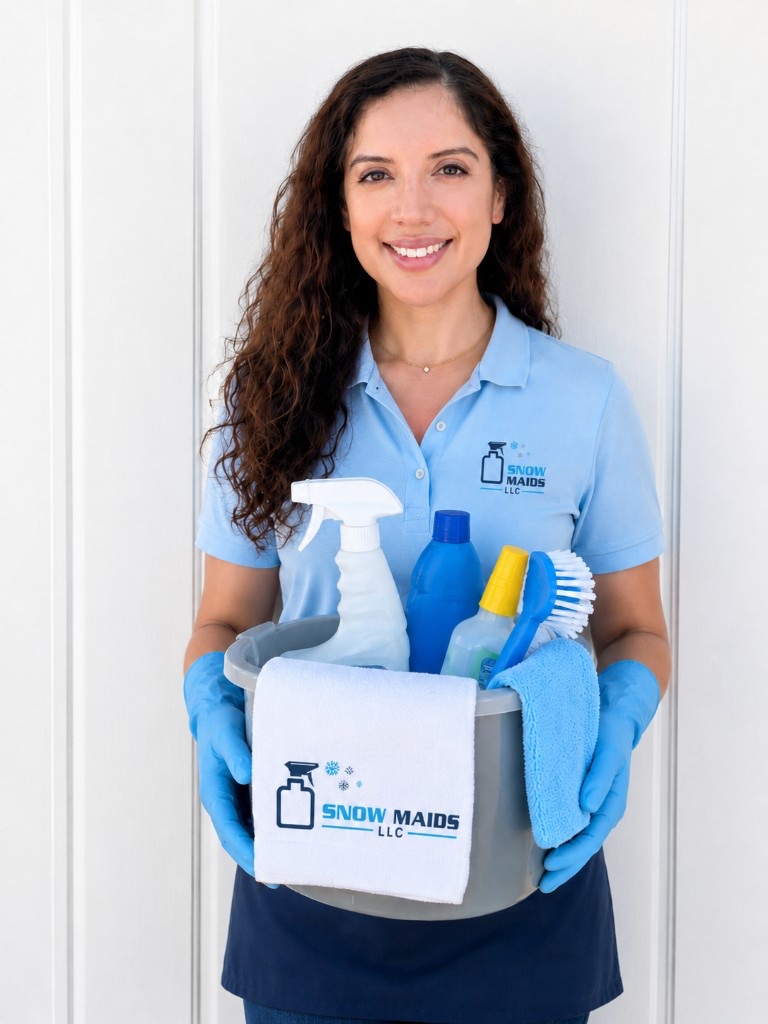
The practical solution: Using a fully insured, locally-owned company with vetted, background-checked teams ensures significantly higher reliability. Snow Maids stands out as a fully insured, locally-owned Castle Rock company that utilizes vetted teams and offers a clear satisfaction guarantee. This level of accountability means that if a micro-detail is missed, it gets corrected. For example, one nervous first-time client reached out last winter needing guidance on the entire process. A professional walked them through the expectations step-by-step, performed a thorough initial deep clean, and established an ongoing biweekly routine that was careful and friendly around their senior dog. When you have a clear satisfaction guarantee in place, verifying cleaning quality becomes a stress-free process rather than an uncomfortable confrontation.
Prioritizing Your Pre-Winter Cleaning Strategy
As the October pre-winter transition accelerates, prioritizing your cleaning strategy becomes essential. Verifying cleaning quality is not about being overly picky; it is about taking necessary steps to protect your indoor air quality and preserve your home's surfaces. By checking baseboards for ultra-fine dust, inspecting entryways for abrasive pine needles, and ensuring kitchen micro-details are degreased, you lock in a healthy environment for your family.
Addressing fall debris right now prevents much larger maintenance issues, like strained HVAC systems and scratched hardwood floors, during the deep winter months. If managing this level of detail feels overwhelming alongside your busy schedule, exploring professional housekeeping services in Castle Rock can provide the thorough, guaranteed results you need to enjoy a clean, comfortable home all season long.
Frequently Asked Questions
How do you measure cleaning quality?
You measure cleaning quality by inspecting areas that are typically overlooked during a quick tidy. Check high-dust zones like the tops of ceiling fans, the edges of baseboards, and the grooves of transition strips. If these out-of-sight areas are free of dust, grease, and grit, the overall cleaning quality is high.
What is a quality control checklist for house cleaning?
A quality control checklist is a systematic guide used to verify that every standard task has been completed to a professional level. It typically includes specific checkpoints such as wiping down both sides of window blinds, degreasing stove knobs, sanitizing light switches, and ensuring grout lines are free of packed mud.
How do you know if a house is truly clean?
A house is truly clean when the micro-details pass a physical inspection, not just a visual one. Running a dry cloth over baseboards, checking the tops of kitchen cabinets for sticky residue, and verifying that the indoor air smells neutral rather than dusty are the best indicators of a deep, thorough clean.
What should be included in a pre-winter deep clean?
A pre-winter deep clean should focus heavily on removing the dust and allergens that will otherwise be trapped inside when windows are closed. It must include detailing all return air vents, scrubbing entryway floors to remove fall mud, dusting upper shelving, and cleaning behind major appliances.
How does seasonal weather affect indoor cleaning standards?
Seasonal weather dictates the specific types of debris entering your home, which shifts your cleaning priorities. In the fall, dry air increases fine dust accumulation, while early snows introduce abrasive mud and wet pine needles, requiring specialized focus on floor protection and targeted air quality management.
More from the Snow Maids Journal
- general How to Verify Cleaning Quality: A Homeowner's Guide to Pre-Winter Hygiene Read the article
- general Your Seasonal Home Maintenance Checklist: How to Prepare for a Deep Cleaning Read the article
- general Trapped Dust and Early Snows: A Seasonal Home Maintenance Checklist for Verifying Clean Quality Read the article