

Beyond the Surface: Evaluating Your Kitchen Prep Needs
Is it worth paying extra for inside-cabinet cleaning, or is a standard surface wipe-down enough to keep your kitchen sanitary? It is a question almost every homeowner asks when customizing a professional cleaning package. From the outside, your kitchen might look pristine. The stainless steel appliances shine, the countertops are clear, and the cabinet doors are free of visible fingerprints. But behind those closed doors, a different story often unfolds. Dust, stray crumbs, and invisible layers of cooking grease accumulate slowly over time, creating a hidden mess that standard surface cleaning simply cannot reach.
As we transition into the September pre-heating season and holiday prep period, kitchen hygiene becomes a top priority. You are likely planning to spend more time indoors, cooking heavy comfort meals, and perhaps hosting family and friends for seasonal gatherings. This natural shift in how you use your home makes early fall the perfect time to evaluate what kind of deep cleaning your kitchen truly requires. Upgrading to an interior cabinet detail is not just an arbitrary upsell; it is a strategic maintenance choice based on how heavily your kitchen is used and how long you have occupied the space.
If you are exploring housekeeping services in Castle Rock, understanding the difference between a surface-level refresh and a deep interior reset will help you get the exact results you want. A truly clean kitchen feels entirely different. It smells fresher when you open a drawer, your dishes rest on spotless shelving, and you have total peace of mind knowing that the hidden corners of your food preparation areas are completely sanitized.
The Kitchen Lifecycle: Why the Occupancy Timeline Matters
The problem: When you first move into a home, the cabinets are usually empty and freshly wiped down. For the first year or two, regular exterior cleaning is generally all you need to maintain a high standard of hygiene. However, as the months turn into years, the daily activities of a busy household take their toll on the interior shelving. Minor spills happen in the back of the pantry. A dusting of flour escapes the baking bin. Most significantly, cooking grease becomes a pervasive issue that slowly coats the inside of your storage spaces.
The cause: Every time you pan-fry, sauté, or boil food on the stovetop, microscopic particles of oil and moisture atomize into the air. While your range hood catches a lot of this grease, it cannot capture everything. These airborne particles settle onto your cabinet fronts, and over time, they find their way through the tiny gaps between the doors and frames. Once inside, this sticky residue acts like a magnet, trapping airborne particulates, pet dander, and general household dust. If left undisturbed, this sticky layer can degrade shelving materials, leave a stale odor in your kitchen, and even attract unwanted household pests.
The solution: The standard threshold for intervention is typically 3-5 years since move-in. At this point in the kitchen lifecycle, standard maintenance is no longer enough to combat the buildup. You need a targeted approach to remove the accumulated grime from the inside out. This timeline also applies if you are preparing a property for a transition; for instance, comprehensive move-out cleaning services almost always include interior cabinetry detailing to restore the kitchen to a baseline state for the next occupant.
One homeowner learned this firsthand during a busy fall season. They realized they had overlooked small details in their kitchen, like the buildup around the coffee maker and the sticky residue near the stovetop. After booking a professional deep clean that paid close attention to these small, neglected details, the entire house sparkled, leaving them with pristine, clean appliances instead of greasy ones. That is the transformative power of addressing the hidden grime that accumulates over years of daily living.
Invisible Grime: How Dry Climates Affect Closed Cabinets
Most homeowners assume that if a cabinet door is closed, the contents inside are protected from dust. Here's the thing: that is a misconception, especially depending on where you live. Environmental factors play a massive role in how quickly your kitchen storage areas become dirty. In Castle Rock, the dry Colorado climate creates the perfect storm for hidden dust accumulation, turning your closed cabinets into magnets for fine particulates.
The role of static electricity: In low-humidity environments, static electricity builds up rapidly on wooden, laminate, and painted surfaces. Because there is very little moisture in the air to dissipate this charge, your cabinet shelving essentially becomes statically charged. This static pull draws fine, electrostatic dust directly into the cabinetry through the smallest crevices and seams around the doors.
Seasonal temperature shifts: As the weather cools down in the fall and you turn on your central heating system, the air circulation in your home increases. The furnace pushes dry, warm air through your vents, stirring up microscopic dust particles. When this fine dust meets the statically charged shelves and mixes with the sticky cooking grease we discussed earlier, it forms a stubborn, tacky layer of grime that a simple dry cloth cannot remove. It requires targeted degreasing and damp wiping to fully eradicate.
Positioning interior cabinet detailing as part of your fall preparation is a proactive step for maintaining your indoor air quality. Before you close your windows for the winter and rely entirely on recirculated air, removing this stagnant electrostatic dust from enclosed spaces ensures that you aren't releasing a cloud of particulates into your kitchen every time you reach for a dinner plate.
Side-by-Side: Exterior Wipe-Downs vs. Full Interior Detailing
To make an informed decision about your cleaning package, you need to know exactly what happens during each type of service. The difference between a standard wipe-down and a full interior detail comes down to scope, labor, and the final impact on your home's hygiene.
A standard exterior wipe-down focuses purely on the presentation of your kitchen. Technicians will clean the cabinet fronts, polish the handles and knobs, and remove any visible grease or food splatters from the outside surfaces. It is a maintenance task designed to keep your kitchen looking tidy and presentable on a day-to-day or week-to-week basis.
Interior detailing, on the other hand, is a comprehensive reset. It involves carefully working around or emptying items, executing a corner-to-corner crumb removal, and applying specialized, safe degreasers to the interior shelving to break down years of invisible buildup. This process is highly labor-intensive, which is why it is almost always treated as an add-on to standard packages or specialized deep cleaning services.
| Cleaning Feature | Standard Exterior Wipe-Down | Full Interior Detailing Add-On |
|---|---|---|
| Primary Focus | Visual presentation and surface hygiene | Comprehensive sanitation and deep grease removal |
| Grease Treatment | Spot-treatment of visible splatters on doors | Full degreasing of inner shelves, walls, and corners |
| Dust & Crumb Removal | Exterior ledges and upper cabinet tops only | Corner-to-corner vacuuming and damp wiping inside |
| Labor & Time Required | Minimal; included in standard time blocks | Significant; requires extra time for careful detailing |
| Overall Impact | Kitchen looks clean and tidy to guests | Kitchen feels completely refreshed and airy |
The impact of choosing the full interior detail cannot be overstated. One customer noted that their house was in desperate need of a deep cleaning this fall. After the team arrived and provided a highly professional, thorough service that tackled the hidden areas, the homeowner reported that the house looked better than it ever had before. Adding the interior cabinet detail transforms a routine chore into a true restoration of your living space.
Peace of Mind: The Importance of Vetted Professionals
Kitchen cabinets hold some of the most personal, intimate, and fragile items in your home. From heirloom china and expensive glassware to daily coffee mugs and personal supplements, your storage spaces are highly private. It is completely normal to feel a sense of vulnerability when allowing technicians to open these doors and handle the spaces where you store your family's food and dishware.
This is where the credentials of your chosen cleaning company become paramount. When you are deciding whether to add interior detailing to your package, you are also deciding who you trust with your personal belongings. It is vital to evaluate cleaning service quality by looking at their hiring and vetting practices. Allowing unvetted individuals to rummage through your kitchen cabinets is a risk no homeowner should take.
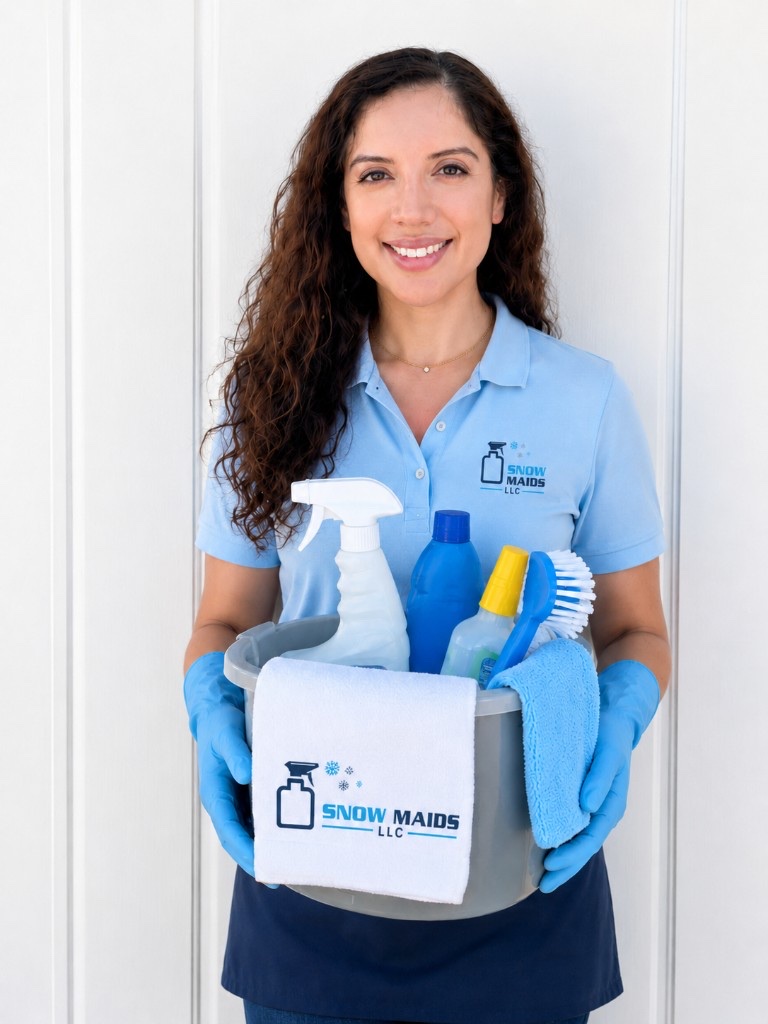
Working with Snow Maids LLC means you are protected by a rigorous vetting process. Every technician is thoroughly background-checked, highly trained, and fully bonded and insured. This professional infrastructure provides total peace of mind, ensuring that if an accident were to happen with a delicate item, you are completely covered. You aren't just paying for a clean shelf; you are investing in the security and safety of your home.
Clear communication is the cornerstone of this trust. One homeowner was understandably nervous about hiring a house cleaner for the very first time this winter. The owner took the time to walk them through the entire process and outline clear expectations before any work began. The resulting deep clean was so thorough, detailed, and respectfully handled that the client immediately signed up for regular bi-weekly service. When you work with true professionals, the anxiety of opening up your private spaces disappears.
Your Decision Framework: When to Opt for the Add-On
Synthesizing all these factors makes the choice much clearer. You do not need to guess whether your kitchen requires this level of attention. If you are scheduling house cleaning in Morrison or the surrounding areas, use this straightforward, actionable checklist to determine if interior cabinet detailing is the right investment for your home right now.
- You have lived in the home for 3-5+ years: If you have passed this occupancy milestone without ever having the inside of your cabinets professionally deep-cleaned, the accumulation of electrostatic dust and atomized grease warrants the add-on.
- You cook frequently: Homes where meals are pan-fried, sautéed, or boiled daily experience significantly higher rates of grease atomization, accelerating the need for interior degreasing.
- You are preparing for heavy holiday hosting: If you are gearing up for a season of baking and entertaining, starting with a completely sanitized kitchen prevents old stale odors from affecting your fresh ingredients.
- You notice fine dust in the back corners: Take a flashlight and look at the very back of your lowest shelves. If you see a layer of sticky dust or stray crumbs, a standard exterior wipe-down will not solve the problem.
- You want a comprehensive seasonal reset: If your goal is to make the entire house feel spotless, airy, and thoroughly refreshed before the winter months, skipping the cabinet interiors will leave the job feeling incomplete.


Frequently Asked Questions About Kitchen Cabinet Cleaning
How often should you clean the inside of kitchen cabinets?
The short answer is: Spot cleaning for spills should happen immediately, while a full interior deep cleaning is recommended every 3 to 5 years. For heavy-use kitchens where frying and boiling happen daily, you may want to schedule an annual interior detail. Maintaining this timeline prevents sticky grease and electrostatic dust from permanently degrading the finish of your interior shelving.
What is included in a professional deep house clean?
The short answer is: Standard deep cleans cover exterior surfaces, baseboards, ceiling fans, and thorough dusting throughout the home. Because cleaning the inside of cabinetry requires carefully working around personal items and applying specialized degreasers to every shelf corner, interior cabinet cleaning is typically treated as a specialized add-on. This ensures technicians have the dedicated time required to do the job safely and correctly.
Should I empty my cabinets for the cleaners?
The short answer is: Policies vary by company, but emptying your cabinets beforehand often reduces labor time and ensures the most thorough cleaning of back corners. When shelves are completely clear, technicians can easily reach the deepest recesses to remove static dust and crumbs. It is always best to discuss expectations and preparation steps with your cleaning provider prior to their arrival.
Does interior cabinet cleaning help with indoor air quality?
The short answer is: Yes, removing stagnant electrostatic dust from enclosed spaces directly reduces the particulates circulated in your home. Every time you open and close a dusty cabinet door, microscopic particles are pushed into the kitchen air. Eliminating this hidden buildup is an excellent step for improving your indoor air quality, especially before the winter heating season begins.
Is it safe to use heavy degreasers on wood cabinets?
The short answer is: Professional cleaners use specialized, pH-balanced solutions that effectively break down grease without stripping the finish from wood or laminate. Using harsh, off-the-shelf chemicals can easily damage the protective clear coat on expensive cabinetry. Relying on trained technicians ensures that the sticky grime is removed while the integrity of your shelving remains perfectly intact.
Secure Your Spot for a Spotless Holiday Season
A fully detailed kitchen provides an unmatched sense of comfort and cleanliness. When you know that every shelf, drawer, and hidden corner is completely free of dust and grease, cooking and hosting become a joy rather than a chore. You do not have to tackle this labor-intensive project alone. A professional, fully vetted team can handle the heavy lifting, giving you back your time and energy. Use this timeline-based framework to confidently decide on your service needs, and be sure to schedule your comprehensive fall deep clean before the busy holiday rush begins.