

Why a Clean Home Is the Foundation of Your Health and Wellbeing
How a clean home improves your health and wellbeing comes down to a few key areas that affect you every single day:
- Reduces stress and anxiety by lowering cortisol levels linked to visual clutter
- Improves sleep quality by up to 19%, according to the National Sleep Foundation
- Strengthens your immune system by removing dust mites, mold, and pet dander
- Prevents illness by reducing germs on high-touch surfaces
- Boosts focus and productivity by clearing visual distractions that compete for your brain's attention
- Lowers fall risk, especially important since 1 in 3 adults over 65 falls every year
- Improves indoor air quality, which directly affects your mood, energy, and mental health
Most people think of a clean home as something that just looks nice. But the science tells a different story. Your living environment shapes how well you sleep, how often you get sick, how clearly you think, and how much stress you carry through each day.
If you've ever felt a wave of calm after tidying a room — or noticed your anxiety creeping up when dishes pile up and clutter takes over — that's not just in your head. Research from Princeton's Neuroscience Institute found that clutter physically overwhelms the brain's visual cortex, making it harder to focus and process information. A UCLA study found that families living in cluttered homes showed measurably flatter cortisol recovery curves, meaning their bodies stayed stuck in stress mode longer.
For busy households and working families in the Denver Metro Area, keeping up with all of this is genuinely hard. Life gets full. Cleaning falls to the bottom of the list. And the health costs of that — poor sleep, higher stress, more sick days — quietly add up.
This guide walks you through exactly what the research says, and what you can do about it.

The Physical Benefits: How a Clean Home Improves Your Health and Wellbeing

When we talk about physical health, we often focus on gym memberships and green smoothies. However, in May 2026, health experts are increasingly pointing toward the "home microbiome" as a primary driver of vitality. Your immune system is constantly interacting with your environment. If your home is filled with dust mites, pet dander, and pollen, your immune system stays on high alert, leading to chronic inflammation and fatigue.
For those living with respiratory conditions, the stakes are even higher. The Impact Of Professional Cleaning On Asthma Management is significant because deep cleaning targets the hidden reservoirs of allergens—like the base of carpet fibers and the tops of ceiling fans—that daily tidying misses.
Beyond allergens, regular cleaning is your first line of defense against pathogens. Bacteria and viruses can survive on hard surfaces for longer than you might think; the influenza virus can persist for up to 48 hours, while norovirus can linger for weeks. By maintaining a sanitized environment, you effectively reduce the "viral load" your body has to fight off.
| Cleaning Type | Frequency | Primary Health Benefit |
|---|---|---|
| Surface Level | Daily | Reduces immediate germ spread and food safety risks. |
| General Cleaning | Weekly | Manages dust accumulation and allergen levels. |
| Deep Cleaning | Every 3-4 Months | Eliminates mold spores, deep-set dander, and bacteria. |
Preventing Illness Through Surface Sanitation
To keep your family healthy, we recommend focusing on "high-touch" areas. These are the spots everyone grabs multiple times a day: doorknobs, light switches, refrigerator handles, and remote controls. These surfaces act as "germ hubs." Using EPA-registered disinfectants and allowing the proper contact time (the time the surface stays wet) is the secret to actually killing viruses rather than just moving them around.
The Psychology of Tidiness: Reducing Stress and Anxiety
There is a profound neurological reason why a messy house feels like a heavy weight. To your brain, clutter represents "unfinished business." This lack of visual completeness acts as a constant stressor, competing for your cognitive bandwidth. When your visual cortex is overloaded with unrelated objects, your brain’s ability to process information and focus on tasks drops by up to 15%.
Cleaning can actually be a form of self-care. It provides a sense of mastery and control during chaotic times. Have you ever tried "mindful dishwashing"? A study found that people who focused on the smell of the soap and the feel of the water reported a 27% reduction in nervousness and a 25% improvement in "mental inspiration." The repetitive motions of cleaning release endorphins, acting as natural stress relievers.
How a clean home improves your health and wellbeing through better sleep
Your bedroom should be a sanctuary, not a storage unit. How a clean home improves your health and wellbeing is perhaps most visible in your sleep hygiene. According to the National Sleep Foundation, people who make their beds every morning are 19% more likely to get a good night’s rest.
Clean sheets and a dust-free environment reduce nocturnal respiratory irritants, meaning you are less likely to wake up with a stuffy nose or itchy eyes. If you are moving into a new space, starting fresh with a Healthy Living Space With Move In Cleaning ensures that the previous occupants' dander and dust don't interfere with your first few nights of rest.
A clean home is a safe home. This is especially true for our neighbors in communities like Highlands Ranch and Castle Rock who are aging in place. One in three adults age 65 and over falls every year, often resulting in serious injuries like broken hips or brain trauma. Keeping floors free of shoes, toys, and clutter—and removing unnecessary throw rugs—is the most effective way to prevent these life-altering accidents.
Moisture control is another "hidden" health factor. Mold can grow on almost any damp surface, from bathroom grout to the drywall behind a leaky kitchen sink. Regular disinfecting of damp areas and immediate attention to leaks prevents mold spores from becoming airborne and causing chronic respiratory issues. Furthermore, a clean kitchen is the best pest deterrent. Rinsing dishes and sealing trash promptly keeps bugs and rodents—and the diseases they carry—out of your living space.
The benefits of this cleanliness extend outside the home as well. The Impact Of Cleanliness On Employee Health And Absenteeism shows that when we carry these habits into our workspaces, we see a 30% reduction in sick days.
Grilling and Kitchen Safety in 2026
In 2026, we are seeing more families enjoy outdoor living in the Denver Metro Area. However, kitchen and grilling safety remain paramount. Nearly 9,000 home fires each year involve grills. To stay safe:
- Keep your grill at least 10 feet away from structures.
- Clean the grill regularly to remove grease buildup, which is the primary cause of flare-ups.
- Manage food waste properly; the average American produces 219 pounds of food waste annually, which can attract pests if not disposed of in sealed containers.
Optimizing Your Environment for Peak Wellness
Indoor air quality is often much worse than outdoor air. Dust mites, pet dander, and smoke particles get trapped inside our well-insulated Colorado homes. When you are Comparing Air Quality After Diy Vs Professional Cleaning, the difference often lies in the equipment. Professional-grade HEPA filtrations can capture particles as small as 0.3 microns, significantly boosting the oxygen levels available to your brain.
Better air quality leads to better mood and clearer thinking. In fact, 73% of studies on air pollution show that exposure to pollutants changes brain chemistry and increases mental health symptoms. By using non-toxic cleaning products—like vinegar, baking soda, or lemon—you can maintain a "squeaky clean" home without introducing harmful Volatile Organic Compounds (VOCs) into your air.
How a clean home improves your health and wellbeing with a sustainable routine
You don't need to spend eight hours every Saturday cleaning to see these benefits. How a clean home improves your health and wellbeing is best achieved through "micro-habits."
- The 15-Minute Reset: Set a timer for 15 minutes every evening to tidy the kitchen and living room.
- The "One-Touch" Rule: Put items away immediately rather than putting them down "for now."
- Daily Non-Negotiables:
- Make the bed (boosts sleep quality).
- Wipe down kitchen counters (prevents bacteria spread).
- Sort mail immediately (reduces visual clutter).
- Clear the floor of tripping hazards (safety first!).
Frequently Asked Questions about Home Cleanliness
How does a clean home strengthen the immune system?
A clean home reduces the total "antigenic load" on your body. By removing dust, mold, mildew, and pet dander, your immune system doesn't have to work overtime fighting off environmental triggers. This leaves your body better prepared to fight off actual illnesses like the common cold or flu.
Why does decluttering reduce psychological stress?
Clutter creates constant visual stimuli that compete for your brain's attention. This leads to "cognitive overload." When you declutter, you remove these distractions, which has been shown to lower cortisol levels and provide a sense of predictability and control, which are essential for mental clarity.
When does cleaning become problematic or excessive?
While cleanliness is a health tool, it can become problematic if it is driven by extreme anxiety or interferes with your ability to enjoy life. If you find yourself unable to relax unless everything is perfect, or if cleaning rituals are taking up several hours of your day, it may be helpful to speak with a mental health professional.
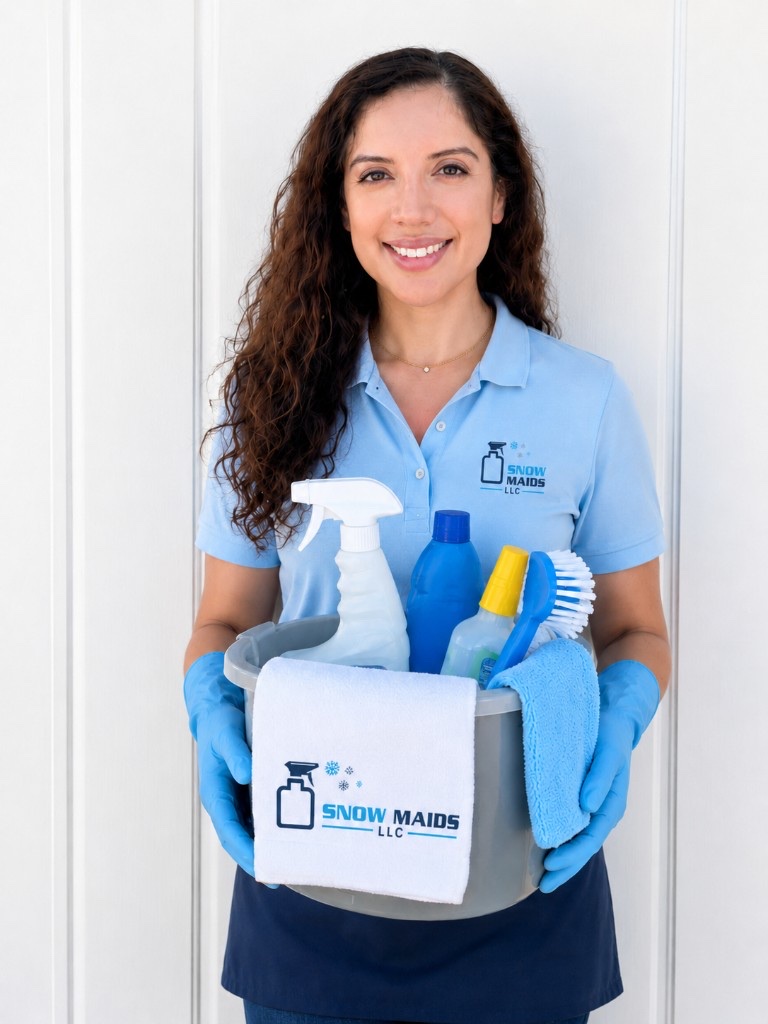
Conclusion: Reclaim Your Health with Snow Maids, LLC
At Snow Maids, LLC, we know that life in the Denver Metro Area is busy. Between commuting from Parker to Denver or enjoying the trails in Castle Rock, finding the time for a deep, health-focused clean is a challenge. We provide tailored residential cleaning services across Castle Pines, Centennial, Elizabeth, Englewood, Franktown, Lone Tree, Larkspur, Littleton, Highlands Ranch, Sedalia, and beyond.
Our mission is to give you your time back while ensuring your home supports your vitality. We don't just "tidy up"—we deliver professional, reliable, "squeaky cleanings" that remove the hidden allergens and germs that impact your family's wellbeing. Whether you need a one-time deep clean to reset your environment or recurring service to maintain your sanctuary, we are here to help.
Experience a healthier home with professional cleaning services and see how a spotless space can truly lead to a stress-free life.
Why a Clean Home Is the Foundation of Your Health and Wellbeing
How a clean home improves your health and wellbeing comes down to a few key areas that affect you every single day:
- Reduces stress and anxiety by lowering cortisol levels linked to visual clutter
- Improves sleep quality by up to 19%, according to the National Sleep Foundation
- Strengthens your immune system by removing dust mites, mold, and pet dander
- Prevents illness by reducing germs on high-touch surfaces
- Boosts focus and productivity by clearing visual distractions that compete for your brain's attention
- Lowers fall risk, especially important since 1 in 3 adults over 65 falls every year
- Improves indoor air quality, which directly affects your mood, energy, and mental health
Most people think of a clean home as something that just looks nice. But the science tells a different story. Your living environment shapes how well you sleep, how often you get sick, how clearly you think, and how much stress you carry through each day.
If you've ever felt a wave of calm after tidying a room — or noticed your anxiety creeping up when dishes pile up and clutter takes over — that's not just in your head. Research from Princeton's Neuroscience Institute found that clutter physically overwhelms the brain's visual cortex, making it harder to focus and process information. A UCLA study found that families living in cluttered homes showed measurably flatter cortisol recovery curves, meaning their bodies stayed stuck in stress mode longer.
For busy households and working families in the Denver Metro Area, keeping up with all of this is genuinely hard. Life gets full. Cleaning falls to the bottom of the list. And the health costs of that — poor sleep, higher stress, more sick days — quietly add up.
This guide walks you through exactly what the research says, and what you can do about it.

The Physical Benefits: How a Clean Home Improves Your Health and Wellbeing

When we talk about physical health, we often focus on gym memberships and green smoothies. However, in May 2026, health experts are increasingly pointing toward the "home microbiome" as a primary driver of vitality. Your immune system is constantly interacting with your environment. If your home is filled with dust mites, pet dander, and pollen, your immune system stays on high alert, leading to chronic inflammation and fatigue.
For those living with respiratory conditions, the stakes are even higher. The Impact Of Professional Cleaning On Asthma Management is significant because deep cleaning targets the hidden reservoirs of allergens—like the base of carpet fibers and the tops of ceiling fans—that daily tidying misses.
Beyond allergens, regular cleaning is your first line of defense against pathogens. Bacteria and viruses can survive on hard surfaces for longer than you might think; the influenza virus can persist for up to 48 hours, while norovirus can linger for weeks. By maintaining a sanitized environment, you effectively reduce the "viral load" your body has to fight off.
| Cleaning Type | Frequency | Primary Health Benefit |
|---|---|---|
| Surface Level | Daily | Reduces immediate germ spread and food safety risks. |
| General Cleaning | Weekly | Manages dust accumulation and allergen levels. |
| Deep Cleaning | Every 3-4 Months | Eliminates mold spores, deep-set dander, and bacteria. |
Preventing Illness Through Surface Sanitation
To keep your family healthy, we recommend focusing on "high-touch" areas. These are the spots everyone grabs multiple times a day: doorknobs, light switches, refrigerator handles, and remote controls. These surfaces act as "germ hubs." Using EPA-registered disinfectants and allowing the proper contact time (the time the surface stays wet) is the secret to actually killing viruses rather than just moving them around.
The Psychology of Tidiness: Reducing Stress and Anxiety
There is a profound neurological reason why a messy house feels like a heavy weight. To your brain, clutter represents "unfinished business." This lack of visual completeness acts as a constant stressor, competing for your cognitive bandwidth. When your visual cortex is overloaded with unrelated objects, your brain’s ability to process information and focus on tasks drops by up to 15%.
Cleaning can actually be a form of self-care. It provides a sense of mastery and control during chaotic times. Have you ever tried "mindful dishwashing"? A study found that people who focused on the smell of the soap and the feel of the water reported a 27% reduction in nervousness and a 25% improvement in "mental inspiration." The repetitive motions of cleaning release endorphins, acting as natural stress relievers.
How a clean home improves your health and wellbeing through better sleep
Your bedroom should be a sanctuary, not a storage unit. How a clean home improves your health and wellbeing is perhaps most visible in your sleep hygiene. According to the National Sleep Foundation, people who make their beds every morning are 19% more likely to get a good night’s rest.
Clean sheets and a dust-free environment reduce nocturnal respiratory irritants, meaning you are less likely to wake up with a stuffy nose or itchy eyes. If you are moving into a new space, starting fresh with a Healthy Living Space With Move In Cleaning ensures that the previous occupants' dander and dust don't interfere with your first few nights of rest.
A clean home is a safe home. This is especially true for our neighbors in communities like Highlands Ranch and Castle Rock who are aging in place. One in three adults age 65 and over falls every year, often resulting in serious injuries like broken hips or brain trauma. Keeping floors free of shoes, toys, and clutter—and removing unnecessary throw rugs—is the most effective way to prevent these life-altering accidents.
Moisture control is another "hidden" health factor. Mold can grow on almost any damp surface, from bathroom grout to the drywall behind a leaky kitchen sink. Regular disinfecting of damp areas and immediate attention to leaks prevents mold spores from becoming airborne and causing chronic respiratory issues. Furthermore, a clean kitchen is the best pest deterrent. Rinsing dishes and sealing trash promptly keeps bugs and rodents—and the diseases they carry—out of your living space.
The benefits of this cleanliness extend outside the home as well. The Impact Of Cleanliness On Employee Health And Absenteeism shows that when we carry these habits into our workspaces, we see a 30% reduction in sick days.
Grilling and Kitchen Safety in 2026
In 2026, we are seeing more families enjoy outdoor living in the Denver Metro Area. However, kitchen and grilling safety remain paramount. Nearly 9,000 home fires each year involve grills. To stay safe:
- Keep your grill at least 10 feet away from structures.
- Clean the grill regularly to remove grease buildup, which is the primary cause of flare-ups.
- Manage food waste properly; the average American produces 219 pounds of food waste annually, which can attract pests if not disposed of in sealed containers.
Optimizing Your Environment for Peak Wellness
Indoor air quality is often much worse than outdoor air. Dust mites, pet dander, and smoke particles get trapped inside our well-insulated Colorado homes. When you are Comparing Air Quality After Diy Vs Professional Cleaning, the difference often lies in the equipment. Professional-grade HEPA filtrations can capture particles as small as 0.3 microns, significantly boosting the oxygen levels available to your brain.
Better air quality leads to better mood and clearer thinking. In fact, 73% of studies on air pollution show that exposure to pollutants changes brain chemistry and increases mental health symptoms. By using non-toxic cleaning products—like vinegar, baking soda, or lemon—you can maintain a "squeaky clean" home without introducing harmful Volatile Organic Compounds (VOCs) into your air.
How a clean home improves your health and wellbeing with a sustainable routine
You don't need to spend eight hours every Saturday cleaning to see these benefits. How a clean home improves your health and wellbeing is best achieved through "micro-habits."
- The 15-Minute Reset: Set a timer for 15 minutes every evening to tidy the kitchen and living room.
- The "One-Touch" Rule: Put items away immediately rather than putting them down "for now."
- Daily Non-Negotiables:
- Make the bed (boosts sleep quality).
- Wipe down kitchen counters (prevents bacteria spread).
- Sort mail immediately (reduces visual clutter).
- Clear the floor of tripping hazards (safety first!).
Frequently Asked Questions about Home Cleanliness
How does a clean home strengthen the immune system?
A clean home reduces the total "antigenic load" on your body. By removing dust, mold, mildew, and pet dander, your immune system doesn't have to work overtime fighting off environmental triggers. This leaves your body better prepared to fight off actual illnesses like the common cold or flu.
Why does decluttering reduce psychological stress?
Clutter creates constant visual stimuli that compete for your brain's attention. This leads to "cognitive overload." When you declutter, you remove these distractions, which has been shown to lower cortisol levels and provide a sense of predictability and control, which are essential for mental clarity.
When does cleaning become problematic or excessive?
While cleanliness is a health tool, it can become problematic if it is driven by extreme anxiety or interferes with your ability to enjoy life. If you find yourself unable to relax unless everything is perfect, or if cleaning rituals are taking up several hours of your day, it may be helpful to speak with a mental health professional.
Conclusion: Reclaim Your Health with Snow Maids, LLC
At Snow Maids, LLC, we know that life in the Denver Metro Area is busy. Between commuting from Parker to Denver or enjoying the trails in Castle Rock, finding the time for a deep, health-focused clean is a challenge. We provide tailored residential cleaning services across Castle Pines, Centennial, Elizabeth, Englewood, Franktown, Lone Tree, Larkspur, Littleton, Highlands Ranch, Sedalia, and beyond.
Our mission is to give you your time back while ensuring your home supports your vitality. We don't just "tidy up"—we deliver professional, reliable, "squeaky cleanings" that remove the hidden allergens and germs that impact your family's wellbeing. Whether you need a one-time deep clean to reset your environment or recurring service to maintain your sanctuary, we are here to help.
Experience a healthier home with professional cleaning services and see how a spotless space can truly lead to a stress-free life.
Why a Clean Home Is the Foundation of Your Health and Wellbeing
How a clean home improves your health and wellbeing comes down to a few key areas that affect you every single day:
- Reduces stress and anxiety by lowering cortisol levels linked to visual clutter
- Improves sleep quality by up to 19%, according to the National Sleep Foundation
- Strengthens your immune system by removing dust mites, mold, and pet dander
- Prevents illness by reducing germs on high-touch surfaces
- Boosts focus and productivity by clearing visual distractions that compete for your brain's attention
- Lowers fall risk, especially important since 1 in 3 adults over 65 falls every year
- Improves indoor air quality, which directly affects your mood, energy, and mental health
Most people think of a clean home as something that just looks nice. But the science tells a different story. Your living environment shapes how well you sleep, how often you get sick, how clearly you think, and how much stress you carry through each day.
If you've ever felt a wave of calm after tidying a room — or noticed your anxiety creeping up when dishes pile up and clutter takes over — that's not just in your head. Research from Princeton's Neuroscience Institute found that clutter physically overwhelms the brain's visual cortex, making it harder to focus and process information. A UCLA study found that families living in cluttered homes showed measurably flatter cortisol recovery curves, meaning their bodies stayed stuck in stress mode longer.
For busy households and working families in the Denver Metro Area, keeping up with all of this is genuinely hard. Life gets full. Cleaning falls to the bottom of the list. And the health costs of that — poor sleep, higher stress, more sick days — quietly add up.
This guide walks you through exactly what the research says, and what you can do about it.

The Physical Benefits: How a Clean Home Improves Your Health and Wellbeing
When we talk about physical health, we often focus on gym memberships and green smoothies. However, in May 2026, health experts are increasingly pointing toward the "home microbiome" as a primary driver of vitality. Your immune system is constantly interacting with your environment. If your home is filled with dust mites, pet dander, and pollen, your immune system stays on high alert, leading to chronic inflammation and fatigue.
For those living with respiratory conditions, the stakes are even higher. The Impact Of Professional Cleaning On Asthma Management is significant because deep cleaning targets the hidden reservoirs of allergens—like the base of carpet fibers and the tops of ceiling fans—that daily tidying misses.
Beyond allergens, regular cleaning is your first line of defense against pathogens. Bacteria and viruses can survive on hard surfaces for longer than you might think; the influenza virus can persist for up to 48 hours, while norovirus can linger for weeks. By maintaining a sanitized environment, you effectively reduce the "viral load" your body has to fight off.
| Cleaning Type | Frequency | Primary Health Benefit |
|---|---|---|
| Surface Level | Daily | Reduces immediate germ spread and food safety risks. |
| General Cleaning | Weekly | Manages dust accumulation and allergen levels. |
| Deep Cleaning | Every 3-4 Months | Eliminates mold spores, deep-set dander, and bacteria. |
Preventing Illness Through Surface Sanitation
To keep your family healthy, we recommend focusing on "high-touch" areas. These are the spots everyone grabs multiple times a day: doorknobs, light switches, refrigerator handles, and remote controls. These surfaces act as "germ hubs." Using EPA-registered disinfectants and allowing the proper contact time (the time the surface stays wet) is the secret to actually killing viruses rather than just moving them around.
The Psychology of Tidiness: Reducing Stress and Anxiety
There is a profound neurological reason why a messy house feels like a heavy weight. To your brain, clutter represents "unfinished business." This lack of visual completeness acts as a constant stressor, competing for your cognitive bandwidth. When your visual cortex is overloaded with unrelated objects, your brain’s ability to process information and focus on tasks drops by up to 15%.
Cleaning can actually be a form of self-care. It provides a sense of mastery and control during chaotic times. Have you ever tried "mindful dishwashing"? A study found that people who focused on the smell of the soap and the feel of the water reported a 27% reduction in nervousness and a 25% improvement in "mental inspiration." The repetitive motions of cleaning release endorphins, acting as natural stress relievers.
How a clean home improves your health and wellbeing through better sleep
Your bedroom should be a sanctuary, not a storage unit. How a clean home improves your health and wellbeing is perhaps most visible in your sleep hygiene. According to the National Sleep Foundation, people who make their beds every morning are 19% more likely to get a good night’s rest.
Clean sheets and a dust-free environment reduce nocturnal respiratory irritants, meaning you are less likely to wake up with a stuffy nose or itchy eyes. If you are moving into a new space, starting fresh with a Healthy Living Space With Move In Cleaning ensures that the previous occupants' dander and dust don't interfere with your first few nights of rest.
A clean home is a safe home. This is especially true for our neighbors in communities like Highlands Ranch and Castle Rock who are aging in place. One in three adults age 65 and over falls every year, often resulting in serious injuries like broken hips or brain trauma. Keeping floors free of shoes, toys, and clutter—and removing unnecessary throw rugs—is the most effective way to prevent these life-altering accidents.
Moisture control is another "hidden" health factor. Mold can grow on almost any damp surface, from bathroom grout to the drywall behind a leaky kitchen sink. Regular disinfecting of damp areas and immediate attention to leaks prevents mold spores from becoming airborne and causing chronic respiratory issues. Furthermore, a clean kitchen is the best pest deterrent. Rinsing dishes and sealing trash promptly keeps bugs and rodents—and the diseases they carry—out of your living space.
The benefits of this cleanliness extend outside the home as well. The Impact Of Cleanliness On Employee Health And Absenteeism shows that when we carry these habits into our workspaces, we see a 30% reduction in sick days.
Grilling and Kitchen Safety in 2026
In 2026, we are seeing more families enjoy outdoor living in the Denver Metro Area. However, kitchen and grilling safety remain paramount. Nearly 9,000 home fires each year involve grills. To stay safe:
- Keep your grill at least 10 feet away from structures.
- Clean the grill regularly to remove grease buildup, which is the primary cause of flare-ups.
- Manage food waste properly; the average American produces 219 pounds of food waste annually, which can attract pests if not disposed of in sealed containers.
Optimizing Your Environment for Peak Wellness
Indoor air quality is often much worse than outdoor air. Dust mites, pet dander, and smoke particles get trapped inside our well-insulated Colorado homes. When you are Comparing Air Quality After Diy Vs Professional Cleaning, the difference often lies in the equipment. Professional-grade HEPA filtrations can capture particles as small as 0.3 microns, significantly boosting the oxygen levels available to your brain.
Better air quality leads to better mood and clearer thinking. In fact, 73% of studies on air pollution show that exposure to pollutants changes brain chemistry and increases mental health symptoms. By using non-toxic cleaning products—like vinegar, baking soda, or lemon—you can maintain a "squeaky clean" home without introducing harmful Volatile Organic Compounds (VOCs) into your air.
How a clean home improves your health and wellbeing with a sustainable routine
You don't need to spend eight hours every Saturday cleaning to see these benefits. How a clean home improves your health and wellbeing is best achieved through "micro-habits."
- The 15-Minute Reset: Set a timer for 15 minutes every evening to tidy the kitchen and living room.
- The "One-Touch" Rule: Put items away immediately rather than putting them down "for now."
- Daily Non-Negotiables:
- Make the bed (boosts sleep quality).
- Wipe down kitchen counters (prevents bacteria spread).
- Sort mail immediately (reduces visual clutter).
- Clear the floor of tripping hazards (safety first!).
Frequently Asked Questions about Home Cleanliness
How does a clean home strengthen the immune system?
A clean home reduces the total "antigenic load" on your body. By removing dust, mold, mildew, and pet dander, your immune system doesn't have to work overtime fighting off environmental triggers. This leaves your body better prepared to fight off actual illnesses like the common cold or flu.
Why does decluttering reduce psychological stress?
Clutter creates constant visual stimuli that compete for your brain's attention. This leads to "cognitive overload." When you declutter, you remove these distractions, which has been shown to lower cortisol levels and provide a sense of predictability and control, which are essential for mental clarity.
When does cleaning become problematic or excessive?
While cleanliness is a health tool, it can become problematic if it is driven by extreme anxiety or interferes with your ability to enjoy life. If you find yourself unable to relax unless everything is perfect, or if cleaning rituals are taking up several hours of your day, it may be helpful to speak with a mental health professional.
Conclusion: Reclaim Your Health with Snow Maids, LLC
At Snow Maids, LLC, we know that life in the Denver Metro Area is busy. Between commuting from Parker to Denver or enjoying the trails in Castle Rock, finding the time for a deep, health-focused clean is a challenge. We provide tailored residential cleaning services across Castle Pines, Centennial, Elizabeth, Englewood, Franktown, Lone Tree, Larkspur, Littleton, Highlands Ranch, Sedalia, and beyond.
Our mission is to give you your time back while ensuring your home supports your vitality. We don't just "tidy up"—we deliver professional, reliable, "squeaky cleanings" that remove the hidden allergens and germs that impact your family's wellbeing. Whether you need a one-time deep clean to reset your environment or recurring service to maintain your sanctuary, we are here to help.
Experience a healthier home with professional cleaning services and see how a spotless space can truly lead to a stress-free life.
Why a Clean Home Is the Foundation of Your Health and Wellbeing
How a clean home improves your health and wellbeing comes down to a few key areas that affect you every single day:
- Reduces stress and anxiety by lowering cortisol levels linked to visual clutter
- Improves sleep quality by up to 19%, according to the National Sleep Foundation
- Strengthens your immune system by removing dust mites, mold, and pet dander
- Prevents illness by reducing germs on high-touch surfaces
- Boosts focus and productivity by clearing visual distractions that compete for your brain's attention
- Lowers fall risk, especially important since 1 in 3 adults over 65 falls every year
- Improves indoor air quality, which directly affects your mood, energy, and mental health
Most people think of a clean home as something that just looks nice. But the science tells a different story. Your living environment shapes how well you sleep, how often you get sick, how clearly you think, and how much stress you carry through each day.
If you've ever felt a wave of calm after tidying a room — or noticed your anxiety creeping up when dishes pile up and clutter takes over — that's not just in your head. Research from Princeton's Neuroscience Institute found that clutter physically overwhelms the brain's visual cortex, making it harder to focus and process information. A UCLA study found that families living in cluttered homes showed measurably flatter cortisol recovery curves, meaning their bodies stayed stuck in stress mode longer.
For busy households and working families in the Denver Metro Area, keeping up with all of this is genuinely hard. Life gets full. Cleaning falls to the bottom of the list. And the health costs of that — poor sleep, higher stress, more sick days — quietly add up.
This guide walks you through exactly what the research says, and what you can do about it.

The Physical Benefits: How a Clean Home Improves Your Health and Wellbeing
When we talk about physical health, we often focus on gym memberships and green smoothies. However, in May 2026, health experts are increasingly pointing toward the "home microbiome" as a primary driver of vitality. Your immune system is constantly interacting with your environment. If your home is filled with dust mites, pet dander, and pollen, your immune system stays on high alert, leading to chronic inflammation and fatigue.
For those living with respiratory conditions, the stakes are even higher. The Impact Of Professional Cleaning On Asthma Management is significant because deep cleaning targets the hidden reservoirs of allergens—like the base of carpet fibers and the tops of ceiling fans—that daily tidying misses.
Beyond allergens, regular cleaning is your first line of defense against pathogens. Bacteria and viruses can survive on hard surfaces for longer than you might think; the influenza virus can persist for up to 48 hours, while norovirus can linger for weeks. By maintaining a sanitized environment, you effectively reduce the "viral load" your body has to fight off.
| Cleaning Type | Frequency | Primary Health Benefit |
|---|---|---|
| Surface Level | Daily | Reduces immediate germ spread and food safety risks. |
| General Cleaning | Weekly | Manages dust accumulation and allergen levels. |
| Deep Cleaning | Every 3-4 Months | Eliminates mold spores, deep-set dander, and bacteria. |
Preventing Illness Through Surface Sanitation
To keep your family healthy, we recommend focusing on "high-touch" areas. These are the spots everyone grabs multiple times a day: doorknobs, light switches, refrigerator handles, and remote controls. These surfaces act as "germ hubs." Using EPA-registered disinfectants and allowing the proper contact time (the time the surface stays wet) is the secret to actually killing viruses rather than just moving them around.
The Psychology of Tidiness: Reducing Stress and Anxiety
There is a profound neurological reason why a messy house feels like a heavy weight. To your brain, clutter represents "unfinished business." This lack of visual completeness acts as a constant stressor, competing for your cognitive bandwidth. When your visual cortex is overloaded with unrelated objects, your brain’s ability to process information and focus on tasks drops by up to 15%.
Cleaning can actually be a form of self-care. It provides a sense of mastery and control during chaotic times. Have you ever tried "mindful dishwashing"? A study found that people who focused on the smell of the soap and the feel of the water reported a 27% reduction in nervousness and a 25% improvement in "mental inspiration." The repetitive motions of cleaning release endorphins, acting as natural stress relievers.
How a clean home improves your health and wellbeing through better sleep
Your bedroom should be a sanctuary, not a storage unit. How a clean home improves your health and wellbeing is perhaps most visible in your sleep hygiene. According to the National Sleep Foundation, people who make their beds every morning are 19% more likely to get a good night’s rest.
Clean sheets and a dust-free environment reduce nocturnal respiratory irritants, meaning you are less likely to wake up with a stuffy nose or itchy eyes. If you are moving into a new space, starting fresh with a Healthy Living Space With Move In Cleaning ensures that the previous occupants' dander and dust don't interfere with your first few nights of rest.
A clean home is a safe home. This is especially true for our neighbors in communities like Highlands Ranch and Castle Rock who are aging in place. One in three adults age 65 and over falls every year, often resulting in serious injuries like broken hips or brain trauma. Keeping floors free of shoes, toys, and clutter—and removing unnecessary throw rugs—is the most effective way to prevent these life-altering accidents.
Moisture control is another "hidden" health factor. Mold can grow on almost any damp surface, from bathroom grout to the drywall behind a leaky kitchen sink. Regular disinfecting of damp areas and immediate attention to leaks prevents mold spores from becoming airborne and causing chronic respiratory issues. Furthermore, a clean kitchen is the best pest deterrent. Rinsing dishes and sealing trash promptly keeps bugs and rodents—and the diseases they carry—out of your living space.
The benefits of this cleanliness extend outside the home as well. The Impact Of Cleanliness On Employee Health And Absenteeism shows that when we carry these habits into our workspaces, we see a 30% reduction in sick days.
Grilling and Kitchen Safety in 2026
In 2026, we are seeing more families enjoy outdoor living in the Denver Metro Area. However, kitchen and grilling safety remain paramount. Nearly 9,000 home fires each year involve grills. To stay safe:
- Keep your grill at least 10 feet away from structures.
- Clean the grill regularly to remove grease buildup, which is the primary cause of flare-ups.
- Manage food waste properly; the average American produces 219 pounds of food waste annually, which can attract pests if not disposed of in sealed containers.
Optimizing Your Environment for Peak Wellness
Indoor air quality is often much worse than outdoor air. Dust mites, pet dander, and smoke particles get trapped inside our well-insulated Colorado homes. When you are Comparing Air Quality After Diy Vs Professional Cleaning, the difference often lies in the equipment. Professional-grade HEPA filtrations can capture particles as small as 0.3 microns, significantly boosting the oxygen levels available to your brain.
Better air quality leads to better mood and clearer thinking. In fact, 73% of studies on air pollution show that exposure to pollutants changes brain chemistry and increases mental health symptoms. By using non-toxic cleaning products—like vinegar, baking soda, or lemon—you can maintain a "squeaky clean" home without introducing harmful Volatile Organic Compounds (VOCs) into your air.
How a clean home improves your health and wellbeing with a sustainable routine
You don't need to spend eight hours every Saturday cleaning to see these benefits. How a clean home improves your health and wellbeing is best achieved through "micro-habits."
- The 15-Minute Reset: Set a timer for 15 minutes every evening to tidy the kitchen and living room.
- The "One-Touch" Rule: Put items away immediately rather than putting them down "for now."
- Daily Non-Negotiables:
- Make the bed (boosts sleep quality).
- Wipe down kitchen counters (prevents bacteria spread).
- Sort mail immediately (reduces visual clutter).
- Clear the floor of tripping hazards (safety first!).
Frequently Asked Questions about Home Cleanliness
How does a clean home strengthen the immune system?
A clean home reduces the total "antigenic load" on your body. By removing dust, mold, mildew, and pet dander, your immune system doesn't have to work overtime fighting off environmental triggers. This leaves your body better prepared to fight off actual illnesses like the common cold or flu.
Why does decluttering reduce psychological stress?
Clutter creates constant visual stimuli that compete for your brain's attention. This leads to "cognitive overload." When you declutter, you remove these distractions, which has been shown to lower cortisol levels and provide a sense of predictability and control, which are essential for mental clarity.
When does cleaning become problematic or excessive?
While cleanliness is a health tool, it can become problematic if it is driven by extreme anxiety or interferes with your ability to enjoy life. If you find yourself unable to relax unless everything is perfect, or if cleaning rituals are taking up several hours of your day, it may be helpful to speak with a mental health professional.
Conclusion: Reclaim Your Health with Snow Maids, LLC
At Snow Maids, LLC, we know that life in the Denver Metro Area is busy. Between commuting from Parker to Denver or enjoying the trails in Castle Rock, finding the time for a deep, health-focused clean is a challenge. We provide tailored residential cleaning services across Castle Pines, Centennial, Elizabeth, Englewood, Franktown, Lone Tree, Larkspur, Littleton, Highlands Ranch, Sedalia, and beyond.
Our mission is to give you your time back while ensuring your home supports your vitality. We don't just "tidy up"—we deliver professional, reliable, "squeaky cleanings" that remove the hidden allergens and germs that impact your family's wellbeing. Whether you need a one-time deep clean to reset your environment or recurring service to maintain your sanctuary, we are here to help.
Experience a healthier home with professional cleaning services and see how a spotless space can truly lead to a stress-free life.
Why a Clean Home Is the Foundation of Your Health and Wellbeing
How a clean home improves your health and wellbeing comes down to a few key areas that affect you every single day:
- Reduces stress and anxiety by lowering cortisol levels linked to visual clutter
- Improves sleep quality by up to 19%, according to the National Sleep Foundation
- Strengthens your immune system by removing dust mites, mold, and pet dander
- Prevents illness by reducing germs on high-touch surfaces
- Boosts focus and productivity by clearing visual distractions that compete for your brain's attention
- Lowers fall risk, especially important since 1 in 3 adults over 65 falls every year
- Improves indoor air quality, which directly affects your mood, energy, and mental health
Most people think of a clean home as something that just looks nice. But the science tells a different story. Your living environment shapes how well you sleep, how often you get sick, how clearly you think, and how much stress you carry through each day.
If you've ever felt a wave of calm after tidying a room — or noticed your anxiety creeping up when dishes pile up and clutter takes over — that's not just in your head. Research from Princeton's Neuroscience Institute found that clutter physically overwhelms the brain's visual cortex, making it harder to focus and process information. A UCLA study found that families living in cluttered homes showed measurably flatter cortisol recovery curves, meaning their bodies stayed stuck in stress mode longer.
For busy households and working families in the Denver Metro Area, keeping up with all of this is genuinely hard. Life gets full. Cleaning falls to the bottom of the list. And the health costs of that — poor sleep, higher stress, more sick days — quietly add up.
This guide walks you through exactly what the research says, and what you can do about it.
The Physical Benefits: How a Clean Home Improves Your Health and Wellbeing
When we talk about physical health, we often focus on gym memberships and green smoothies. However, in May 2026, health experts are increasingly pointing toward the "home microbiome" as a primary driver of vitality. Your immune system is constantly interacting with your environment. If your home is filled with dust mites, pet dander, and pollen, your immune system stays on high alert, leading to chronic inflammation and fatigue.
For those living with respiratory conditions, the stakes are even higher. The Impact Of Professional Cleaning On Asthma Management is significant because deep cleaning targets the hidden reservoirs of allergens—like the base of carpet fibers and the tops of ceiling fans—that daily tidying misses.
Beyond allergens, regular cleaning is your first line of defense against pathogens. Bacteria and viruses can survive on hard surfaces for longer than you might think; the influenza virus can persist for up to 48 hours, while norovirus can linger for weeks. By maintaining a sanitized environment, you effectively reduce the "viral load" your body has to fight off.
| Cleaning Type | Frequency | Primary Health Benefit |
|---|---|---|
| Surface Level | Daily | Reduces immediate germ spread and food safety risks. |
| General Cleaning | Weekly | Manages dust accumulation and allergen levels. |
| Deep Cleaning | Every 3-4 Months | Eliminates mold spores, deep-set dander, and bacteria. |
Preventing Illness Through Surface Sanitation
To keep your family healthy, we recommend focusing on "high-touch" areas. These are the spots everyone grabs multiple times a day: doorknobs, light switches, refrigerator handles, and remote controls. These surfaces act as "germ hubs." Using EPA-registered disinfectants and allowing the proper contact time (the time the surface stays wet) is the secret to actually killing viruses rather than just moving them around.
The Psychology of Tidiness: Reducing Stress and Anxiety
There is a profound neurological reason why a messy house feels like a heavy weight. To your brain, clutter represents "unfinished business." This lack of visual completeness acts as a constant stressor, competing for your cognitive bandwidth. When your visual cortex is overloaded with unrelated objects, your brain’s ability to process information and focus on tasks drops by up to 15%.
Cleaning can actually be a form of self-care. It provides a sense of mastery and control during chaotic times. Have you ever tried "mindful dishwashing"? A study found that people who focused on the smell of the soap and the feel of the water reported a 27% reduction in nervousness and a 25% improvement in "mental inspiration." The repetitive motions of cleaning release endorphins, acting as natural stress relievers.
How a clean home improves your health and wellbeing through better sleep
Your bedroom should be a sanctuary, not a storage unit. How a clean home improves your health and wellbeing is perhaps most visible in your sleep hygiene. According to the National Sleep Foundation, people who make their beds every morning are 19% more likely to get a good night’s rest.
Clean sheets and a dust-free environment reduce nocturnal respiratory irritants, meaning you are less likely to wake up with a stuffy nose or itchy eyes. If you are moving into a new space, starting fresh with a Healthy Living Space With Move In Cleaning ensures that the previous occupants' dander and dust don't interfere with your first few nights of rest.
A clean home is a safe home. This is especially true for our neighbors in communities like Highlands Ranch and Castle Rock who are aging in place. One in three adults age 65 and over falls every year, often resulting in serious injuries like broken hips or brain trauma. Keeping floors free of shoes, toys, and clutter—and removing unnecessary throw rugs—is the most effective way to prevent these life-altering accidents.
Moisture control is another "hidden" health factor. Mold can grow on almost any damp surface, from bathroom grout to the drywall behind a leaky kitchen sink. Regular disinfecting of damp areas and immediate attention to leaks prevents mold spores from becoming airborne and causing chronic respiratory issues. Furthermore, a clean kitchen is the best pest deterrent. Rinsing dishes and sealing trash promptly keeps bugs and rodents—and the diseases they carry—out of your living space.
The benefits of this cleanliness extend outside the home as well. The Impact Of Cleanliness On Employee Health And Absenteeism shows that when we carry these habits into our workspaces, we see a 30% reduction in sick days.
Grilling and Kitchen Safety in 2026
In 2026, we are seeing more families enjoy outdoor living in the Denver Metro Area. However, kitchen and grilling safety remain paramount. Nearly 9,000 home fires each year involve grills. To stay safe:
- Keep your grill at least 10 feet away from structures.
- Clean the grill regularly to remove grease buildup, which is the primary cause of flare-ups.
- Manage food waste properly; the average American produces 219 pounds of food waste annually, which can attract pests if not disposed of in sealed containers.
Optimizing Your Environment for Peak Wellness
Indoor air quality is often much worse than outdoor air. Dust mites, pet dander, and smoke particles get trapped inside our well-insulated Colorado homes. When you are Comparing Air Quality After Diy Vs Professional Cleaning, the difference often lies in the equipment. Professional-grade HEPA filtrations can capture particles as small as 0.3 microns, significantly boosting the oxygen levels available to your brain.
Better air quality leads to better mood and clearer thinking. In fact, 73% of studies on air pollution show that exposure to pollutants changes brain chemistry and increases mental health symptoms. By using non-toxic cleaning products—like vinegar, baking soda, or lemon—you can maintain a "squeaky clean" home without introducing harmful Volatile Organic Compounds (VOCs) into your air.
How a clean home improves your health and wellbeing with a sustainable routine
You don't need to spend eight hours every Saturday cleaning to see these benefits. How a clean home improves your health and wellbeing is best achieved through "micro-habits."
- The 15-Minute Reset: Set a timer for 15 minutes every evening to tidy the kitchen and living room.
- The "One-Touch" Rule: Put items away immediately rather than putting them down "for now."
- Daily Non-Negotiables:
- Make the bed (boosts sleep quality).
- Wipe down kitchen counters (prevents bacteria spread).
- Sort mail immediately (reduces visual clutter).
- Clear the floor of tripping hazards (safety first!).
Frequently Asked Questions about Home Cleanliness
How does a clean home strengthen the immune system?
A clean home reduces the total "antigenic load" on your body. By removing dust, mold, mildew, and pet dander, your immune system doesn't have to work overtime fighting off environmental triggers. This leaves your body better prepared to fight off actual illnesses like the common cold or flu.
Why does decluttering reduce psychological stress?
Clutter creates constant visual stimuli that compete for your brain's attention. This leads to "cognitive overload." When you declutter, you remove these distractions, which has been shown to lower cortisol levels and provide a sense of predictability and control, which are essential for mental clarity.
When does cleaning become problematic or excessive?
While cleanliness is a health tool, it can become problematic if it is driven by extreme anxiety or interferes with your ability to enjoy life. If you find yourself unable to relax unless everything is perfect, or if cleaning rituals are taking up several hours of your day, it may be helpful to speak with a mental health professional.
Conclusion: Reclaim Your Health with Snow Maids, LLC
At Snow Maids, LLC, we know that life in the Denver Metro Area is busy. Between commuting from Parker to Denver or enjoying the trails in Castle Rock, finding the time for a deep, health-focused clean is a challenge. We provide tailored residential cleaning services across Castle Pines, Centennial, Elizabeth, Englewood, Franktown, Lone Tree, Larkspur, Littleton, Highlands Ranch, Sedalia, and beyond.
Our mission is to give you your time back while ensuring your home supports your vitality. We don't just "tidy up"—we deliver professional, reliable, "squeaky cleanings" that remove the hidden allergens and germs that impact your family's wellbeing. Whether you need a one-time deep clean to reset your environment or recurring service to maintain your sanctuary, we are here to help.
Experience a healthier home with professional cleaning services and see how a spotless space can truly lead to a stress-free life.
More from the Snow Maids Journal
- how-to-guides Who provides the best bi weekly house cleaning services in Elizabeth, CO? Read the article
- how-to-guides Who offers post construction cleaning services for a new home build in Castle Rock? Read the article
- how-to-guides Who are the top-rated maid services in Highlands Ranch? Read the article