

Facing the Pre-Thanksgiving Kitchen Chaos
Late fall is here, and the countdown to the biggest meal of the year has begun. Preparing kitchens for heavy holiday cooking is often the most stressful part of hosting, especially as the days grow shorter and the pressure mounts. During a typical Pre-Thanksgiving November, your daily routine doesn't simply pause just because a massive feast is on the horizon. Families still need everyday meals, homework still lands on the island, and daily clutter continues to accumulate right up until the moment your guests arrive.
A typical pattern we see is homeowners attempting to tackle the deep cleaning and the extensive meal preparation simultaneously on the night before the gathering. This approach almost always leads to frustration, burnout, and a chaotic workspace. The most effective way to eliminate this stress is by implementing a strict "three-day out" hard reset on your countertops. By deliberately separating the intense sanitation phase from the actual culinary work, you create a highly functional, organized environment. This timeline approach transforms an overwhelming chore into a series of manageable, strategic steps, ensuring your space is completely ready before the first turkey or pie even hits the counter.
Why a 72-Hour Buffer is Critical for Holiday Hosting
Attempting to sanitize your home while simultaneously chopping vegetables and rolling out pie crusts is a recipe for host anxiety. When you establish a 72-hour buffer before the main event, you give yourself the psychological and practical space needed to execute a complex menu. During a busy Pre-Thanksgiving November week, unexpected delays are almost guaranteed. A missing ingredient might require a last-minute grocery run, or a complicated recipe might take twice as long to prep as you anticipated. A three-day cushion ensures these minor hiccups do not derail your entire schedule.
An average holiday feast requires ten to twelve different cooking vessels, multiple small appliances, and maximum countertop real estate. If your surfaces are still cluttered with everyday items or require a deep scrub, you will constantly be shifting things around just to find a safe place to set down a hot roasting pan.
Preventing Task Overlap
Task overlap occurs when competing priorities collide in a single workspace. In a culinary setting, this creates severe bottlenecks. You cannot effectively roll out delicate dough on a surface that still needs to be degreased, and you cannot wash massive roasting pans if the sink is full of everyday breakfast dishes.
The workflow solution: Separating sanitation from food preparation creates a much smoother, stress-free progression.
| Preparation Phase | Primary Focus | Required Tools | Host Mindset |
|---|---|---|---|
| The Deep Clean (Days 3 & 2) | Degreasing, sanitizing, organizing, and clearing all surfaces. | Microfiber cloths, multi-surface cleaners, mop, vacuum. | Systematic and thorough; preparing the blank canvas. |
| The Heavy Cooking (Day 1 & Day 0) | Chopping, baking, roasting, and assembling the menu. | Knives, cutting boards, stand mixers, roasting pans. | Creative and focused; executing the recipe timeline. |
Managing Everyday Family Clutter
The reality of the 72-hour buffer is that your kitchen must remain functional for regular family life leading up to the holiday. You cannot simply tape off the room and forbid entry. Once the initial deep clean is complete, the goal shifts to strict maintenance.
- Implement a "clean as you go" rule: Mandate that all family members immediately load their dishes into the dishwasher after regular meals, rather than leaving them in the sink.
- Create a temporary drop zone: Set up a basket in the living room or hallway for mail, keys, and school papers so they do not migrate back to the freshly cleaned kitchen island.
- Rely on simple meals: Plan for slow-cooker dinners or takeout during the 72-hour window to minimize the use of freshly cleaned pots and pans.

Day 3: The Countertop Hard Reset
The foundation of a successful timeline begins exactly three days before your event with the countertop hard reset. This strategy involves clearing absolutely every non-essential item from your work surfaces. When you live in a home year-round, you become blind to the slow accumulation of countertop clutter. The toaster you use once a week, the decorative fruit bowl, the stack of mail, and the assorted coffee syrups all consume valuable real estate that you will desperately need for cooling racks and carving stations.
By stripping the kitchen down to its bare essentials, you not only create physical space but also experience the psychological boost of a completely clear workspace. It signals that the room is officially ready for serious culinary work.
Clearing Non-Essentials
Before you can properly clean, you must remove the obstacles. In many Castle Rock homes, we often see large, beautiful islands that have slowly transformed into default storage spaces.
- Evaluate every item: If an appliance or decorative piece is not explicitly required for your holiday menu, it needs to move. Be ruthless in your assessment.
- Establish a temporary staging area: Use a dining room corner, a guest bedroom, or a basement table to safely store these items. Box up the toaster, the blender, and the decorative jars until the holiday is over.
- Clear the sink area: Remove sponges, decorative soaps, and bulky dish drying racks. Store them under the sink so the basin area is completely open for maneuvering and washing large pots.
Sanitizing Surfaces
Once the countertops are bare, you can execute a thorough sanitation process to remove accumulated grime that regular, quick wiping often misses.
- Address the sticky corners: Focus heavily on the areas where the countertop meets the backsplash, especially behind the stove and around the base of the sink faucet.
- Use material-appropriate cleaners: Natural stone like granite and quartz requires pH-neutral cleaners to avoid etching the protective sealant, while laminate surfaces can handle standard multi-surface degreasing sprays.
- Wipe down vertical surfaces: Do not forget the front of the cabinets, the drawer pulls, and the face of the dishwasher, as these areas collect drips and grease over time.
Sealed Homes and Air Quality During Late Fall Gatherings
One of the most frequently overlooked aspects of hosting a large gathering is the direct impact of heavy cooking on your indoor air quality. Castle Rock's crisp, dry November weather means homes are typically sealed tightly shut against the cold. While this keeps your guests warm and comfortable, it also severely limits natural ventilation, trapping cooking odors, excess heat, and airborne particulate matter inside your home.
According to EPA guidelines regarding indoor air quality, cooking is one of the primary sources of indoor particulate matter. When you run stovetops and ovens at full capacity for hours on end, any pre-existing dust in the kitchen exacerbates these air quality issues. Dust settling on oven heating elements or resting on top of the refrigerator will burn off or circulate, creating a lingering, acrid smell that competes with the pleasant aroma of your holiday meal.
The Impact of Sealed Windows
During warmer months, you might simply crack a window or open a sliding door if the kitchen gets too smoky. In late fall, that isn't always a comfortable option for your guests. The lack of natural airflow means that whatever is in the air stays in the air. Trapped cooking odors can quickly become overwhelming, and the excess heat generated by multiple appliances can make the main living areas uncomfortably warm, especially when packed with extended family and friends.
Managing Cooking Particulates
The key to maintaining fresh air in a sealed home is proactive cleaning and proper appliance utilization.
- Clean the range hood: Your exhaust fan is your best defense against poor air quality. Degrease the hood surface and run the metal filters through the dishwasher so the unit can operate at peak efficiency.
- Eliminate hidden dust: Vacuum the coils behind the refrigerator and wipe down the very top of the upper cabinets. Removing this dust prevents it from circulating when the room heats up.
- Utilize exhaust fans early: Turn on your kitchen exhaust fan before you start searing or frying, and leave it running for at least fifteen minutes after you finish to fully clear residual particulates from the air.
Day 2: Refrigerator Purge and Oven Readiness
When you are exactly 48 hours away from the gathering, your focus must shift from the surfaces to the major appliances. A robust Pre-Thanksgiving November menu requires an enormous amount of cold storage. If you try to fit a massive turkey, three casseroles, and a dozen beverages into a refrigerator that is already full of half-empty condiment bottles and leftover takeout, you will quickly run into a frustrating roadblock.
The Refrigerator Purge Checklist:
- Take a ruthless inventory: Pull absolutely everything out of the refrigerator. Discard expired items, wilted produce, and anything you know your family will not eat in the next week.
- Consolidate duplicates: If you have two bottles of the same salad dressing or mustard, combine them to free up valuable door space.
- Wipe down the shelves: Spills and sticky rings are much easier to clean when the fridge is empty. A quick wipe down ensures your fresh holiday ingredients are stored in a sanitary environment.
- Adjust the shelving: Before putting the necessary items back, adjust the height of your shelves to accommodate the large items you will be prepping tomorrow, such as the brining pot or tall beverage pitchers.
Equally important is ensuring your oven is ready for the marathon ahead. You must clean the oven interior to prevent old grease spills from smoking and triggering the fire alarm during high-temperature roasting. However, a critical rule of holiday hosting is to never run the high-heat self-cleaning cycle too close to the main event. These extreme temperature cycles can occasionally cause thermal fuses to blow or control panels to lock up entirely. Instead, use a manual oven cleaner or a simple baking soda paste to gently wipe down the interior glass and the bottom floor, ensuring it is clean without risking a catastrophic appliance failure right before the holiday.
Establishing a Sanitized Baseline with Professional Help
Preparing a home for a major gathering is undeniably exhausting. The physical toll of scrubbing baseboards, degreasing range hoods, and mopping floors, followed immediately by days of heavy cooking, can leave a host completely drained before the first guest even arrives. Establishing a perfectly sanitized baseline does not mean you have to do all the grueling prep work yourself.
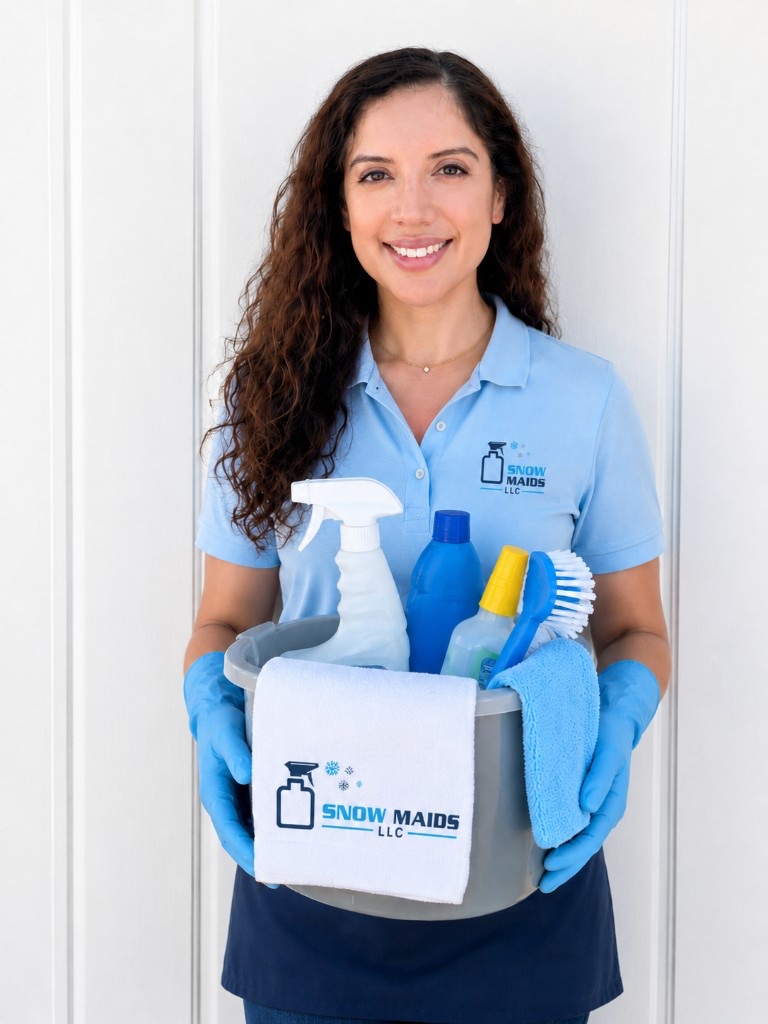
Many homeowners in Castle Rock find that outsourcing this initial deep clean is the ultimate stress-reliever. When you bring in Snow Maids' trusted, insured professional deep cleaning services, you secure the peace of mind that comes from knowing the kitchen has been sanitized to a pristine standard by trained experts. Professional teams have the specialized tools and techniques to address the hard-to-reach dust and built-up grime that directly impact your indoor air quality and overall cleanliness.
This strategic choice allows you to skip the exhausting labor of the baseline clean and focus your energy entirely on the menu, the table setting, and enjoying your family's company. When deciding to outsource this critical step, it is important to know what to look for in a provider. Taking the time for evaluating cleaning service quality ensures you partner with a reliable team that respects your home and delivers a meticulous result, setting the perfect stage for your holiday preparations.
Day 1: Final Staging for Thanksgiving Day
With the kitchen sparkling clean, the refrigerator organized, and the everyday clutter banished, the final 24 hours of your Pre-Thanksgiving November timeline are dedicated entirely to workflow and tool readiness. This is where you officially transition from cleaning mode to culinary execution. Proper staging prevents the frantic, day-of scrambling that ruins the joy of hosting.
Mapping Work Zones
A well-organized kitchen operates on a logical flow. You need to create distinct work zones so that multiple cooks or helpers can operate in the space without constantly colliding.
- The Prep Zone: Located near the sink and trash can. This is where peeling, chopping, and washing occur. Equip this area with your largest cutting boards and a dedicated bowl for food scraps to save trips to the garbage.
- The Baking Zone: Ideally positioned away from the stove's heat. Gather your flour, sugar, measuring cups, and rolling pins here to keep powdery messes completely contained.
- The Cooking Zone: Centered around the stovetop and oven. Ensure your cooking utensils, oils, and necessary seasonings are within arm's reach.
Tool and Cookware Inventory
"A sharp knife and a prepared workspace are a host's best defense against holiday stress."
Before the heavy cooking begins, verify that all necessary tools are ready for immediate action.
- Sharpen your knives: A dull knife makes chopping tough root vegetables tedious and dangerous. Take ten minutes to hone your chef's knife and carving blade.
- Stage small appliances: Bring the stand mixer, food processor, or slow cooker out from storage and place them in their designated work zones. Plug them in to ensure you have adequate outlet space and cord reach.
- Set out the serving dishes: Pull out your platters, gravy boats, and serving spoons. Label each dish with a sticky note indicating what food it will hold. This ensures you aren't frantically washing a dusty platter while the turkey gets cold.
By the time you go to sleep on Day 1, your kitchen will be a fully optimized, highly functional workspace, completely ready for the heavy cooking to begin the next morning.
FAQ
How do I prepare my kitchen for Thanksgiving?
The best approach is to start a systematic deep clean three days before the holiday. Clear all non-essential items off your countertops to maximize your workspace. Clean your oven manually, purge your refrigerator of old items to make room for large ingredients, and set up dedicated prep zones for baking and chopping.
When should you start cooking for Thanksgiving?
You should begin your heavy cooking and prep work 24 to 48 hours before the meal. Things like cranberry sauce, pie crusts, and casseroles can be assembled a day or two in advance. Save the actual turkey roasting and final heating of side dishes for the morning of the event to ensure everything is fresh.
How to clean a kitchen before hosting?
Focus on establishing a sanitized baseline by degreasing surfaces and removing hidden dust. Wipe down the range hood, clean the interior of the refrigerator, and sanitize the sink. Removing everyday clutter from the countertops is just as important as scrubbing, as it provides the physical space needed for heavy cooking.
How many days before Thanksgiving should I clean my house?
Aim to complete your deep cleaning three days before Thanksgiving. This 72-hour buffer separates the exhausting cleaning phase from the heavy cooking phase. It also provides a cushion in case of unexpected delays or last-minute grocery runs.
What is the best way to organize a kitchen for holiday cooking?
Organize your kitchen into specific work zones, such as a prep zone near the sink and a baking zone away from the stove. Pull out all necessary small appliances and serving dishes the day before. Label your serving platters with sticky notes so you know exactly where each finished dish will go.
How does indoor air quality affect holiday gatherings in colder climates?
In colder climates, homes are typically sealed tightly, which traps cooking odors, heat, and particulate matter indoors. Dust on oven elements can burn off and create smoke. Cleaning your range hood and running exhaust fans early helps remove these particulates and keeps the air comfortable for your guests.
Preparing Kitchens for Heavy Holiday Cooking with Confidence
Tackling a major holiday feast doesn't have to end in exhaustion and a messy house. By implementing the three-day countertop rule and treating your preparation as a staged timeline, you take control of the chaos. When you focus on preparing kitchens for heavy holiday cooking systematically—clearing the clutter, purging the fridge, and setting up smart work zones—you ensure a smooth, stress-free experience that allows you to actually enjoy the gathering you worked so hard to host.
More from the Snow Maids Journal
- general The Hidden Floor Damage: Protecting Rugs From Slush and Winter Salt Read the article
- general How to Clean Refrigerator Door Seals Before the Holiday Grocery Rush Read the article
- general Washing Guest Linens and Bedding: Why the Two-Wash Method is Essential Before Visitors Arrive Read the article